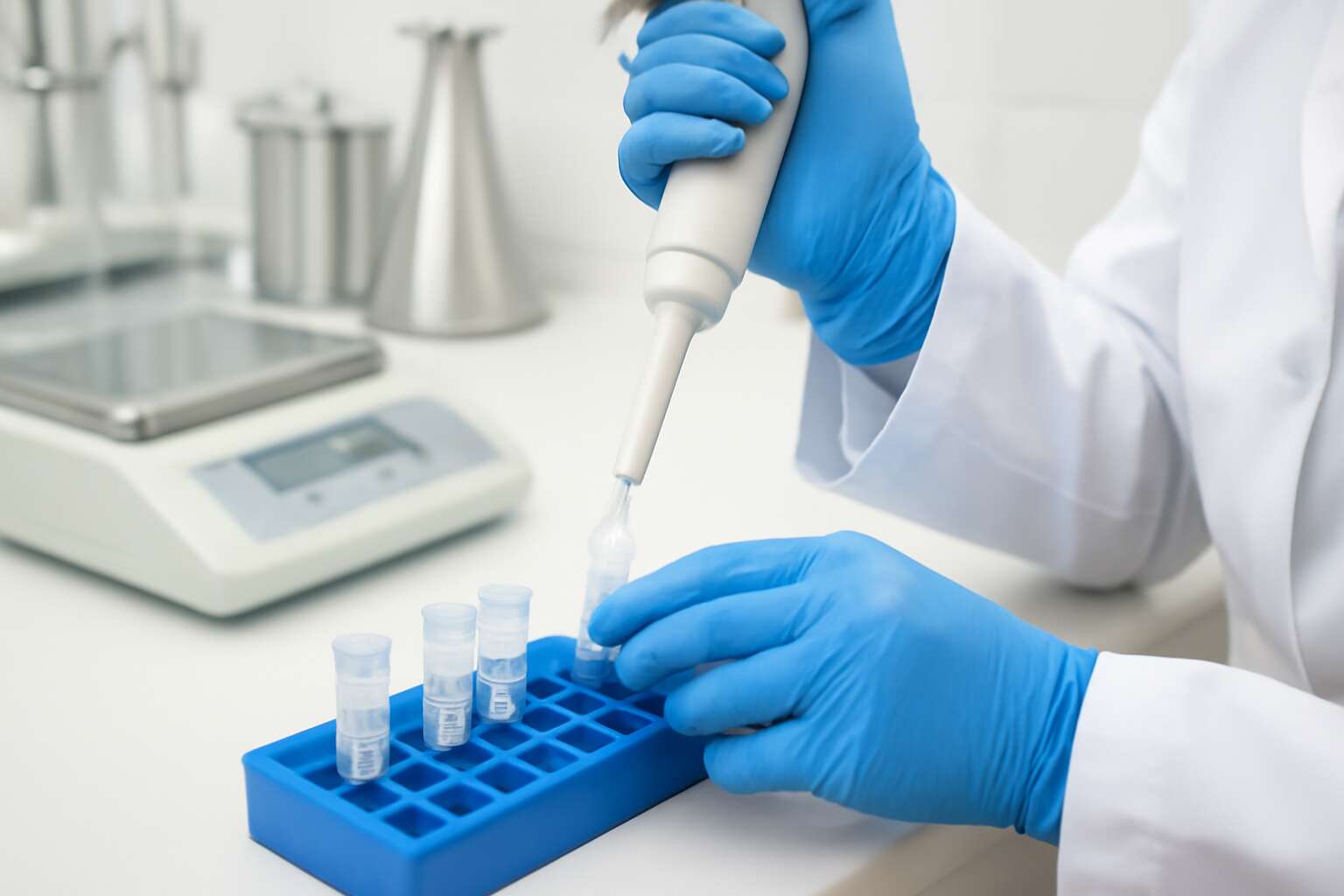
Fundamental food safety lab equipment
Sample collection and preparation tools
“In sampling, the truth hides in the fine details,” a South African microbiologist once said, and that cut of truth lands right at the lab bench. Fundamental food safety lab equipment used during sample collection and preparation can make or break a result. In fast-moving SA supply chains, flawless handling protects our meals from farm to fork while preserving the chain of custody.
Key tools and techniques keep samples intact and ready for analysis.
- Sterile sample containers
- Pre-labeled, tamper-evident tubes
- Sterile swabs for surfaces
- Transport media and coolers
With the right gear in place, accuracy becomes a habit, not a gamble, and it earns its keep in every batch.
Analytical instruments for pathogen detection
In the bustling SA food chain, a single undetected microbe can spike recalls before lunch. Analytical instruments for pathogen detection are the quiet heroes of food safety lab equipment, turning inkling into data and fear into verifiable fact.
Key players include a few dependable stalwarts:
- Real-time PCR systems for rapid pathogen ID
- Immunoassay readers for high-throughput screening
- MALDI-TOF mass spectrometers for precise organism fingerprinting
- Lateral flow and biosensors for on-site checks
These tools aren’t fancy toys; they’re the backbone of batch integrity and customer trust. In SA, calibrated instruments, validated methods, and steady maintenance keep results honest and traceable, turning routine analyses into reliable decisions for every dinner plate. This is why food safety lab equipment forms the backbone of our QA.
Sterilization and decontamination gear
In SA’s bustling food chain, a single lapse can trigger a recall faster than a sizzling braai. Sterilization and decontamination gear is the quiet workhorse of food safety lab equipment, turning risk into reliable data. It keeps workflows aligned with local standards and customer trust intact. Think autoclaves, steam sterilisers, and chemical sterilants—the unsung guardians of batch integrity rather than glamorous gadgets.
A compact essentials set includes:
- Autoclaves and dynamic steam sterilizers
- Dry heat sterilizers for select materials
- Chemical sterilants and sanitation agents
- Biological and chemical indicators for process validation
- Decontamination cabinets and clean benches
In every SA facility, food safety lab equipment used for sterilization must be validated and traceable, ensuring results that stand up to audits and customer expectations.
Documentation and labeling essentials
In South Africa’s bustling markets and processing floors, a single mislabeled vial can ripple into recalls and lost trust. Documentation and labeling sit at the heart of food safety lab equipment, turning fragile data into reliable decisions. In every SA facility, a clean label and a careful log keep results honest and audits manageable.
- Clear sample ID, source, and timestamp visible on every container
- Expiry dates, storage conditions, and handling notes documented
- Operator initials and batch reference to maintain chain of custody
- Calibration status, acceptance criteria, and audit trail for instruments
Beyond the basics, printable barcodes and digital logs linked to essential lab systems accelerate recall readiness and accountability. In SA’s diverse landscape, well-documented labels are the quiet anchors that keep every batch trustworthy and every customer confident.
Quality control and calibration aids
In South Africa’s bustling markets and processing floors, a single drift in a measuring instrument can derail a batch and haunt a brand. Fundamental quality control and calibration become more than routine—it’s the quiet shield protecting safety and trust. As one QA manager says, “Accuracy is safety.”
Quality control hinges on calibration aids that keep instruments honest and data defensible in audits, as if an unseen standard watches over every result.
- Traceable reference standards
- Regular calibration schedules
- Comprehensive audit trails
When paired with meticulous recordkeeping and calibrated instruments, this ecosystem of food safety lab equipment becomes a fortress of trust, linking measurements to standards and ensuring readiness for recalls if needed.
Instrument categories for microbial testing
Incubators and thermal cyclers
In the realm of microbial testing, incubators and thermal cyclers shoulder the heavy lifting, quietly guaranteeing reproducible results. They’re central to food safety lab equipment, translating growth signals into actionable data. Even in South Africa’s bustling labs, precision under pressure is non-negotiable.
Incubators span benchtop to floor-standing workhorses, with features that matter when cultures demand consistency.
- Benchtop models for compact spaces
- Shaking incubators for uniform growth
- CO2-regulated units for fast, reliable metabolism
Thermal cyclers, the PCR pros, deliver tight temperature ramps and multiple blocks, turning tiny genetic signals into clear decisions. For equipment like this, choose units with fast ramp rates, robust software, and adaptable throughput—capable of keeping pace with peak season testing.
PCR and molecular analysis devices
Across South Africa’s bustling food hubs, PCR and molecular analysis devices are the quiet engines behind trustworthy results. A real-time PCR run can separate safe batches from risky ones in hours, not days. In this discipline, precision under pressure is non-negotiable, and the right instrument category makes the difference between a recall and a reliable shipment. When you choose the proper food safety lab equipment, you invest in confidence and accuracy!
Instrument categories include:
- Real-time PCR systems
- Digital PCR platforms
- Endpoint PCR workstations
- RT-qPCR instruments
These devices speak through software—fast ramp rates, robust interfaces, and secure data capture. When peak-season testing hits, throughput and adaptability matter as much as cost. In South Africa’s labs, dialing in these instrument categories translates into cleaner data, fewer retests, and steadier supply chains for food safety lab equipment.
Biosafety cabinets and safety enclosures
The quiet guardian of every clean batch is a biosafety cabinet—air that refuses to gossip with your samples. In fast-paced microbial testing, the right enclosure turns guesswork into assurance!
Instrument categories for microbial testing include biosafety cabinets and safety enclosures that shield people and products. They balance laminar flow, HEPA filtration, and user-friendly interfaces for steady throughput.
- Class II Type A2 biosafety cabinets
- Class II Type B containment enclosures
- Integrated sash controls and airflow monitoring
These devices are essential in food safety lab equipment, offering protection from aerosols and cross-contamination while enabling precise handling of delicate cultures.
In South Africa’s vibrant testing hubs, selecting the right cabinet is as crucial as calibration and compliance.
Gel imaging and electrophoresis systems
Gels tell the truth fast. A single gel run maps contamination patterns in hours, not days, turning uncertain samples into confident decisions.
Gel imaging systems capture bright, high-resolution images of stained or fluorescent bands. They pair with dedicated software to quantify band intensity, store results, and generate audit-ready reports.
- Gel imaging systems
- Electrophoresis benches
Electrophoresis systems provide the separation that gel imaging visualizes. Modern benches offer temperature control, buffer management, and software-driven analysis, making them a reliable part of South Africa’s food safety lab equipment landscape, ready for routine testing and compliant workflows.
Colony counting and plating tools
In South Africa’s bustling food landscape, the right food safety lab equipment can turn hours into certainty. “Turnaround times can be cut by half with modern colony counting and plating tools,” says a leading SA QA director. That precision translates into decisions you can trust, faster than a rumor, clearer than a shadow.
- Colony counting systems with image analysis for digital readouts.
- Plating tools: sterile spreaders and inoculation loops for consistent applications.
- Documentation-ready interfaces and audit trails to record results.
These instrument categories underpin a rigorous approach to microbial testing in South Africa, reinforcing the promise of dependable data within the broader spectrum of food safety lab equipment.
Automated sample handling systems
In South Africa’s bustling labs, automated sample handling systems have slashed turnaround times by up to 50%, turning frantic queues into confident workflows. This instrument category sits at the heart of food safety lab equipment, orchestrating sample reception, sterile transfers, and queued analyses with quiet precision. I’ve watched teams shift from reactive to proactive, trusting machines to track every vial and every pipette tip, making the process feel almost choreography.
- Robotic arms and sterile transfer modules for consistent handling
- Integrated barcode, LIMS, and audit trails for traceability
- Automatic consumables management and contamination control
Beyond speed, these systems deliver repeatable results, tighter chain-of-custody, and easier compliance with local QA standards. As throughput grows, automation becomes not just convenient but essential, letting staff focus on interpretation and decision-making rather than manual drudgery.
Chemical safety and contamination control equipment
Fume hoods and ventilation units
In the hush before a batch is tested, a single breath can rewrite an outcome. Chemical safety and contamination control are not mere accessories; they are the conscience of food safety lab equipment. Fume hoods and ventilation units guard against risky vapours, with airflow that speaks of discipline and responsibility. In South Africa’s labs, robust containment is a quiet requirement, a line drawn between progress and peril.
The right configuration translates caution into capability.
- ducted vs recirculating ventilation
- chemical-resistant finishes and seals
- precise sash height and viewing windows
- continuous airflow monitoring with alarms
In this landscape, every gram of air is a verdict, and that verdict carries quiet authority. For South African laboratories, resilience in fume hoods and ventilation units is more than compliance; it is a pledge to the public.
Analytical balances and scales
Power resides in the precision of weight, not the loudness of claim. In South Africa’s food safety labs, chemical safety and contamination control start at the bench. Analytical balances and scales turn observation into trust, translating micrograms into decisions you can defend. A robust balance doesn’t just weigh; it guards the process with a draft shield, corrosion-resistant finishes, and a vibration-damped frame that keeps drift at bay. The result is verifiable data that underpins every batch—from ingredients to finished products—and it remains an essential piece of food safety lab equipment.
- Draft shield and anti-static glass to minimize gusts
- Vibration isolation and temperature stability for drift-free readings
- Built-in calibration routines and traceable weights
- Audit-ready data logging and GLP-compliant outputs
Within the realm of food safety lab equipment, precision weighing is a quiet pledge to public health. When a balance speaks clearly, the lab speaks with confidence, and the community sleeps a little safer.
Reagent storage and waste management
Across South Africa, chemical safety and contamination control in the laboratory echo through every bench and bottle. Reagent storage and waste management are the quiet sentinels of food safety lab equipment, turning potential hazards into traceable, compliant practice. When containers are sealed, labels legible, and waste streams mapped, the risk of cross-contamination dissolves into order and accountability!
- Secondary containment trays to capture spills
- Sealed, vented reagent cabinets
- Color-coded labeling and traceable bottle IDs
- Leak‑proof waste containers with rigid liners
- Validated neutralization and disposal protocols
Together, these safeguards translate policy into practice, protecting brands and communities from unseen threats. In the theater of safety, clear stewardship of reagents keeps data pristine and decisions defensible.
Water purification and filtration systems
Contamination costs South Africa’s food chain millions each year. A single lab error can ripple through recalls, audits, and brand trust. In food safety lab equipment, water purity and chemical safety are the quiet guardians that keep data trustworthy and decisions defensible!
Water purification and filtration systems ensure every test starts with clean, traceable input. They reduce matrix effects and protect reagents from abrupt pH shifts. The core components include:
- Reverse osmosis and ultra-pure water generation
- Ultraviolet disinfection and advanced filtration
- Continuous monitoring of conductivity and resistivity
Beyond water, chemical safety and contamination control equipment set the stage for compliant operation. Clear workflows and validated procedures turn risk into measurable quality, while audits confirm that samples remain pristine from source to result.
Air monitoring and particulate detectors
Behind the glare of the safety cabinet, air is a silent regulator of quality. In South Africa’s food safety lab equipment landscape, air monitoring and particulate detectors guard data integrity as vigilantly as any thermometer. They catch airborne contaminants, track particle counts, and trigger alerts long before a result becomes suspect. In practice, I’ve seen air monitoring catch issues before they become headlines! Chemical safety and contamination-control gear work in tandem, turning fragile inputs into traceable outputs and reducing cross-contamination across workflows. This quiet stewardship sustains confidence from source to result.
Key components include:
- Air monitoring stations
- Real-time particulate detectors
- Sorbent tube sampling kits
- Differential pressure sensors
This framework supports consistent, unambiguous results across South Africa’s distributed food safety labs, anchoring trust in every measurement and every decision.
Regulatory compliance and documentation gear
Standard operating procedure templates
Public health hinges on more than glass and gadgets; it hinges on trust. In the realm of food safety lab equipment, Regulatory compliance and clear documentation gear are the quiet engines that keep every assay honest and auditable. SOP templates are the compass for teams, turning complex methods into repeatable routines while meeting ISO 22000 and HACCP expectations. When audits loom, documented procedures, version histories, and traceable records reassure inspectors—and keep your workflows humming.
- Purpose and scope
- Roles and responsibilities
- Step-by-step procedures
- Documentation and records
- Change control and approvals
- Version history and review dates
Keep the templates as living documents, easily tailored for South Africa’s regulatory landscape, with quick-start checklists and digital sign-offs that accelerate onboarding and internal audits. In a field where precision travels faster than rumor, crisp SOPs are your best defense.
Lab inventory and traceability tools
Audits loom like rain over a dry rural road, and nearly 90% of findings trace back to gaps in documentation. In South Africa’s food safety landscape, regulatory compliance isn’t a wish—it’s the backbone of daily work. Smart lab inventory and traceability tools turn that burden into a dependable workflow.
- Barcode- and RFID-enabled inventory tracking
- Digital audit trails and secure approvals
- Lot, expiry, and chain-of-custody controls
With these tools, accuracy travels faster than rumor. I’ve seen how a clear ledger reduces search times and strengthens confidence with inspectors. This is the backbone of food safety lab equipment.
South Africa’s regulatory terrain rewards clarity, consistency, and timely sign-offs. A living inventory connects people to procedures, making onboarding smoother and audits friendlier.
Calibration and maintenance scheduling
In South Africa’s food safety arena, audits arrive with the precision of a storm, and a single lapse in calibration can ripple into a finding. Regulatory compliance isn’t a nice-to-have—it sits at the heart of daily operations, pulsing through every instrument—the food safety lab equipment you rely on. When the clock ticks toward inspection, clear records become your weather vane, guiding teams away from costly surprises and toward confident approvals.
Calibration and maintenance scheduling should feel almost ceremonial—timely tests, traceable certificates, and seamless sign-offs that survive audits. This is the documentation gear that keeps work visible and accountable.
- Automated calibration reminders
- Centralized certificates and service logs
- Audit-ready maintenance records
In South Africa, regulators reward clarity, consistency, and timely sign-offs. A living schedule breathes with the team, turning onboarding and audits into rituals rather than disruptions; the clock and calendar become quiet allies, reducing downtime and strengthening inspector confidence.
Audit-ready record keeping systems
In South Africa’s food safety landscape, regulatory compliance is the heartbeat, not a bolt from the blue. Audits arrive with the precision of a storm, and a single lapse in documentation can echo through the facility. Clear, auditable records guide teams toward confident approvals, everywhere the food safety lab equipment operates.
Audit-ready documentation gear behaves like a quiet sentinel—watchful, thorough, unyielding.
- Centralized electronic records with audit trails
- Digital signatures and tamper-evident seals
- Version-controlled SOPs and change logs
- Role-based access and secure backups
- Regular certificate issuance and auto reminders
In this environment, regulators reward clarity, consistency, and timely sign-offs. A living record system aligns onboarding and inspections into ritual-like routines, with permits and certificates gliding through approval channels and inspiring inspector confidence.
Barcode and labeling solutions
Regulatory compliance in South Africa’s food safety landscape is a disciplined rhythm, not a last-minute sprint. Barcode and labeling solutions tie every sample to its origin, status, and history, turning paperwork into a readable narrative. When integrated with food safety lab equipment, barcode systems become a transparent ledger of every action. The outcome is auditable traceability that regulators and operators can trust, one label at a time.
- Clear, scannable labels with unique IDs linked to the LIMS
- Tamper-evident seals and immutable content for change control
- Centralized label templates that update across batches
- Auto-generated expiry dates and lot codes to minimize manual errors
With these assurances, inspections become routine victories rather than hurdles, and the lab’s daily rhythm gains quiet confidence in its documentation chain.
Safety signage and PPE storage
Audits in South Africa show that up to 40% of nonconformities stem from documentation gaps—proof that compliance is a disciplined rhythm, not a last-minute sprint. In practice, regulators value traceable decisions as much as accurate results, and the right approach to food safety lab equipment makes that possible. I’ve seen teams convert bulky paperwork into an accessible narrative that travels with every sample—breathing order into a busy lab!
Safety signage and PPE storage are the quiet backbone of everyday compliance. Clear, properly placed signs guide movement, while secure PPE storage prevents cross-contamination and lost equipment. The result is a culture that can withstand scrutiny, one well-ordered area at a time. This is how food safety lab equipment supports regulatory confidence.
- Visible signage in high-risk zones
- Dedicated PPE storage with controlled access
- Audit-ready labeling on PPE and storage areas
Choosing the right equipment and supplier considerations
Total cost of ownership and lifecycle planning
In South Africa’s bustling food sector, downtime costs more than lost throughput—time is risk. A wise lab chief keeps that risk at bay with the right mindset and the right equipment: food safety lab equipment that fits the workflow and the budget. “If you can’t measure it, you can’t manage it,” quips a Johannesburg QA leader, reminding teams that every gear choice echoes through quality and compliance.
Choosing the right food safety lab equipment means more than features. Prioritize compatibility with existing processes, resilient materials, and local service—especially in SA where support networks matter. Total cost of ownership and lifecycle planning should guide every purchase, from initial outlay to depreciation, maintenance, and eventual replacement.
- Service coverage and response times in SA
- Spare parts availability and lead times
- Warranty terms and maintenance packages
- Operator training and onboarding support
- Vendor stability and audit-ready documentation
Vendor compatibility and service networks
Downtime in SA plants costs more than lost throughput—it’s risk you can almost hear ticking. Choosing the right food safety lab equipment and supplier means marrying workflow with a local service network and budget. A Johannesburg QA leader reminds us: “Every gear choice echoes through quality and compliance.”
Consider these vendor compatibility and service-network factors to avoid unexpected outages:
- Service coverage and rapid response times in SA
- Spare parts availability and realistic lead times
- Warranty terms and maintenance packages
- Operator training and onboarding support
- Vendor stability and audit-ready documentation
When these threads are strong, the equipment becomes a trusted partner rather than a purchase order.
Quality certifications and product literature
Downtime in SA plants costs more than throughput losses; it’s a ticking risk you hear between shifts. Choosing the right food safety lab equipment and supplier hinges on quality certifications and robust product literature that translate into real reliability. When gear ships with clear data, audits feel predictable and downtime drops.
Here are the hallmarks to watch for in quality documentation:
- SABS mark and ISO 9001 certification to show consistent quality and local suitability
- ISO 17025 accreditation or equivalent lab-specific credentials to prove testing competence
- Clear specifications, installation guides, and maintenance manuals that map to your workflow
- Calibration certificates, traceability data, and transparent warranty terms
- Safety data sheets and compliance documentation (CE/RoHS where applicable)
Choose equipment that speaks to your workflow and budget, and let the literature do the talking—it turns equipment into a dependable partner, and the right food safety lab equipment earns trust at every audit.
Warranty and support options
South Africa’s labs rarely stall because of scarcity; they stall when uptime falters. The right equipment and a responsive partner can turn a ticking clock into a trusted ally, smoothing audits and keeping shifts humming.
Choosing the right food safety lab equipment starts with a partner who truly maps to your workflow and budget. Warranty and support options become your daily lifeline, shaping maintenance, parts access, and response times.
- Clear warranty terms and coverage periods
- On-site visits or remote diagnostics for fast issue resolution
- Spare parts availability with transparent lead times
- Training, installation help, and user handover support
I’ve witnessed how a strong service network across SA turns a potential setback into a scheduled remedy, keeping equipment reliable and audit-friendly.
Installation, training, and onboarding services
‘Time is the only non-negotiable in a food safety lab,’ a plant manager once told me. I’ve learned in South Africa that choosing the right food safety lab equipment means partnering with people who map your workflow and budget as if they were their own.
Installation, training, and onboarding services aren’t afterthoughts; they are the daily lifeline that keeps audits calm and shifts steady. A supplier who aligns with your SOPs makes the equipment feel like a trusted extension of your team.
Considerations include:
- Clear scope on installation and integration
- Experienced trainers who speak your language and context
- Flexible onboarding timelines that fit rotating shifts
With a strong service network across SA, the right partner turns potential hiccups into routine checks and confident performance. The result is not just machinery, but a shared ethic of accountability in food safety lab equipment.
Compatibility with existing workflows and data systems
Audits hinge on timing: nearly 9 in 10 QA managers say a single misaligned data interface can stall certification for days. Choosing the right food safety lab equipment means partnering with people who map your workflow and budget as if they were their own.
Compatibility with existing workflows and data systems is the heartbeat of smart procurement. Key compatibility questions:
- Will the equipment integrate with your LIMS, ELN, and data capture software?
- Does it support your SOP-driven data formats and robust audit trails?
- Can the supplier adapt to rotating shifts and flexible onboarding timelines?
With a strong service footprint across South Africa, the right partner turns potential hiccups into routine checks and confident performance. In the end, equipment becomes a trusted extension of your team, built on clear data flows and shared accountability.


0 Comments