Overview of Laboratory Jars
Definition and scope of lab jars
Across South Africa, precision in the lab hinges on tiny choices. Storage mishaps slow projects more than any other factor, turning a simple container into a pivotal tool!
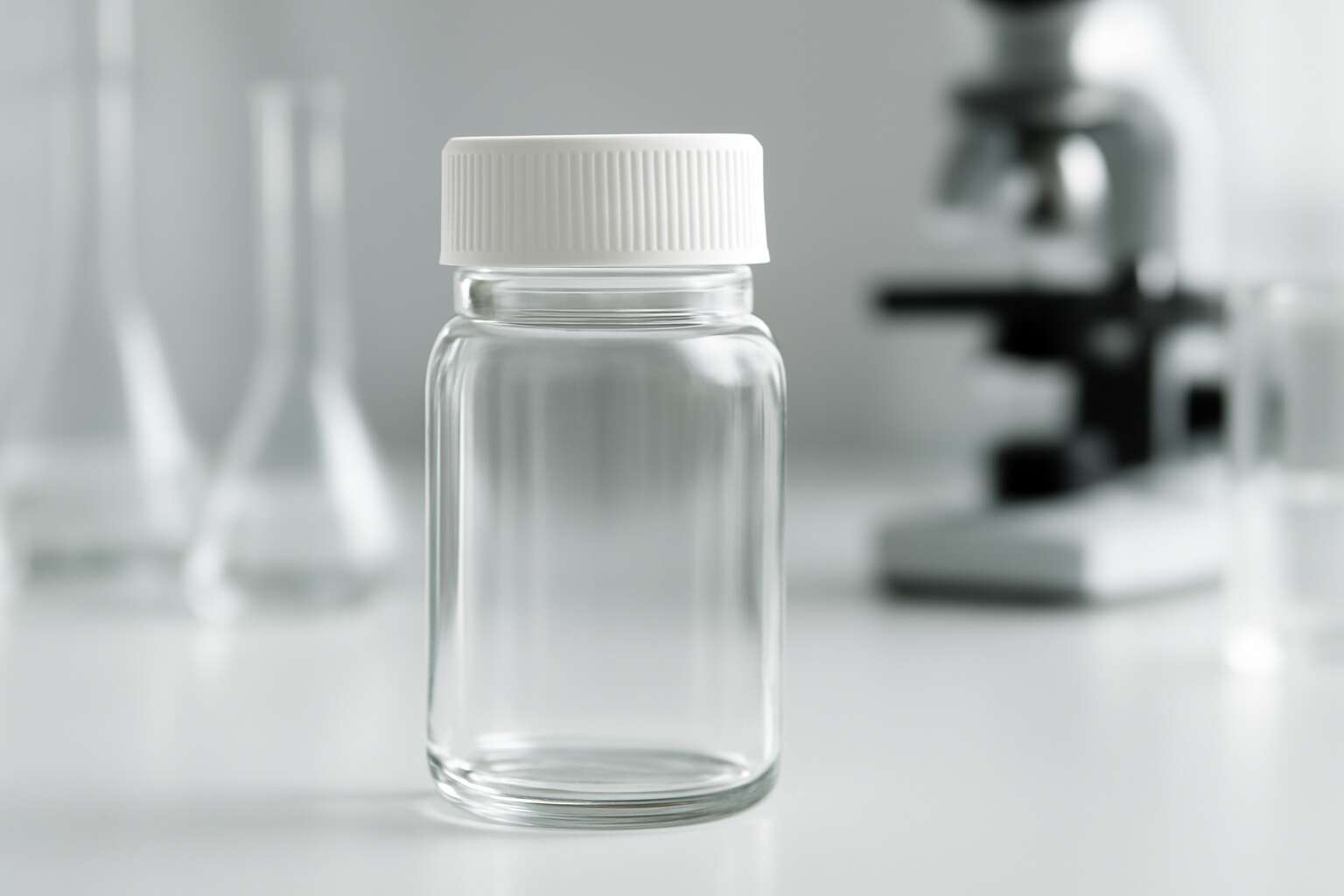
A lab equipment jar is a glass or plastic vessel designed to hold samples, powders, or reagents. Its form must tolerate chemical exposure, provide a tight seal, and feature legible markings.
- Material choices: borosilicate glass, acrylic, amber glass
- Cap options: screw caps and septum seals
- Size range: from 5 mL to 1 L
In SA’s research and education sectors, these jars back reproducibility and safe storage, aligning with labeling and inventory systems.
Primary uses in research and testing
Across SA laboratories, a single jar can make or break a result. In many facilities, up to 30% of workflow delays trace to mislabelled or poorly stored samples. A lab equipment jar is designed to withstand chemical exposure, seal tightly, and bear legible markings, turning a simple container into a trusted tool in every bench.
- Storing powders, pellets, and solid reagents in controlled environments
- Holding liquid samples for testing and short-term experiments with contamination protection
- Organizing and transporting specimens within the lab and to collaborators
Used across research and education sectors, these jars support careful labeling and inventory systems, reinforcing data integrity and safety standards in SA’s labs. Their availability in various materials and cap options means teams can match needs to experiments without sacrificing clarity.
Key design features to consider
Across South Africa’s labs, a mislabel or a cap that won’t seal is a quiet saboteur—I’ve seen it bite into a week’s worth of work. A telling statistic lingers: up to a quarter of workflow delays trace to jars that fail under pressure.
When selecting a lab equipment jar, materials matter. Glass offers pristine readability but can shatter; HDPE and polypropylene resist chemicals and take a knock. The right blend preserves sample integrity and keeps results trustworthy!
Key design features to consider include:
- Material compatibility and leach resistance (glass, HDPE, PP)
- Cap type and seal (screw-on, snap-fit, vented) for airtight closure
- Labeling surface (frosted panel or laser-etched area) to ensure legibility
- Temperature range and chemical resistance
- Stackability and handling in busy benches
These elements, chosen with care, lend the lab equipment jar a quiet authority in every bench.
Glass vs plastic: material options
On the lab bench, a jar can make or break a run. In South Africa’s bustling labs, up to 25% of workflow snags trace to jars that crack, leak, or misreport labels—and that’s the quiet saboteur your lab equipment jar is primed to thwart.
Glass offers pristine readability and inertness, but a tiny fracture is a big problem. Plastic, specifically HDPE or PP, resists chemicals and takes a knock, keeping samples safer on a busy bench.
- Glass: clarity, low leach risk, but fragility
- HDPE: chemical resistance, impact tolerance
- PP: solvent compatibility, lightweight
Choosing the right material balances visibility, durability, and compatibility with samples and solvents. A well-chosen lab equipment jar preserves integrity and trust in results across the SA lab landscape.
Durability and chemical compatibility considerations
On South Africa’s bustling benches, a single jar misstep can erase hours of careful work. The lab equipment jar sits at the heart of every run, a quiet sentinel whose integrity shapes results and trust across the lab.
Durability and chemical compatibility are not afterthoughts but the main event. Glass yields pristine readability and low leach risk yet shatters under impact; HDPE shrugs off chemicals and knocks; PP ties solvent tolerance to featherweight handling.
- Impact resilience for busy workflows
- Chemical resistance to typical solvents in use
- Seal integrity and readable labeling
With these qualities, the jar preserves sample integrity and elevates confidence in every result across SA labs.
Materials, Sizes, and Storage Options
Common materials: glass, borosilicate, polypropylene
“Small vessel, big impact,” the lab whispers. Materials matter when you choose a lab equipment jar. Glass and borosilicate offer clarity and chemical resistance, while polypropylene adds lightweight, shatter‑safe versatility. Each option supports different tests and storage environments, quietly shaping outcomes without shouting for attention.
Sizes span from pocket‑sized to laboratory‑scale. For flexibility, common choices include the following:
- 30 mL
- 60 mL
- 125 mL
- 250 mL
- 500 mL
- 1000 mL
Storage options lean on closures and labeling to protect samples. Airtight, screw‑cap jars with lined seals reduce evaporation and contamination, while stackable designs save bench space. In South Africa, clear labeling and secure containment are standard practice for quality control and traceability.
Standard sizes and capacities
A single vessel can anchor an experiment’s fate, and a well-sealed lab equipment jar keeps data honest. In South Africa’s labs, proper storage can trim sample loss by as much as 15%.
Materials set the mood. Glass and borosilicate offer crystal clarity and outstanding chemical resistance, ideal for solvent storage; polypropylene keeps things light and shatter‑safe for mobile racks.
Sizes span from pocket‑sized to laboratory scales.
- 30 mL
- 60 mL
- 125 mL
- 250 mL
- 500 mL
- 1000 mL
Airtight, easy‑label closures protect samples and keep bench space tidy.
Tamper-evident caps and closures
Across SA labs, the right materials determine outcomes: glass and borosilicate offer crystal clarity and standout chemical resistance, ideal for solvent storage. Polypropylene keeps things light and shatter‑safe for mobile racks, a welcome trait in tight bench spaces. Choosing the right lab equipment jar is about balancing visibility, durability, and weight, so samples stay pristine from setup to analysis.
- 30 mL
- 60 mL
- 125 mL
- 250 mL
- 500 mL
- 1000 mL
Sizes span from pocket-sized to laboratory scales, ensuring you have the right fit for any task and the resilience to keep samples secure through transit.
Storage options shine with tamper‑evident caps and closures, designed to seal without fuss. Airtight, easy-label closures keep bench space tidy and protect data integrity in busy South African labs.
Hermetic sealing and air-tight jars
Across South Africa’s bustling laboratories, a lab equipment jar is a quiet covenant between vision and validation. The choice of materials matters: borosilicate glass offers crystal clarity and chemical resistance, while polypropylene keeps weight down in mobile racks. This balance—visibility, durability, and ease of handling—lets samples stay pristine from setup to analysis.
Sizes span from pocket-friendly to laboratory-scale, ensuring you pick the right fit for the task and the bench it sits on.
Storage options shine with hermetic sealing and air-tight jars that lock in integrity and data through transit and handling. Airtight closures, clear labeling, and tamper-evident features guard both samples and records in busy South African labs.
- Hermetic sealing for sample integrity
- Airtight closures that resist slippage
- Tamper-evident options for traceability
- Easy-label compatibility for rapid inventory
Stackable designs for efficient lab use
Material matters in every South African lab; 30% of sample integrity issues trace to containment flaws. A lab equipment jar that blends clarity with resilience changes how data travels from bench to brief. Borosilicate glass offers clarity and chemical resistance, while polypropylene keeps weight light for mobile racks.
Sizes span from pocket-friendly to laboratory-scale, ensuring you pick the right fit for the task and the bench it sits on. Compact options travel easily between stations, while larger jars house bigger samples without crowding the workflow!
Storage options reward discipline with clear labeling and reliable closures, especially in busy South African environments. Stackable designs for efficient lab use free up bench space and simplify inventory, so samples arrive at analysis as intended.
Sterilization, Cleaning, and Maintenance
Sterilization compatibility and methods
A recent South African lab survey shows 68% rate sterilization as the single biggest safety miss—making the lab equipment jar a silent guardian that can save or sour outcomes.
Sterilization compatibility favors borosilicate glass and durable polypropylene in a lab equipment jar. Autoclave steam, dry heat, or chemical sterilants like 70% ethanol can be used if the cycle suits the material and seal, preserving clarity and containment.
- Rinse with deionized water
- Wash with mild detergent
- Rinse again and air-dry
- Check lid integrity
Cleaning should be meticulous but gentle—no abrasives or harsh solvents that can scar clarity. Residue invites contamination, so finish with a thorough rinse and dry before reuse.
Maintenance is quiet vigilance: inspect threads, replace worn seals, and store the lab equipment jar in a dry, shaded rack to ensure longevity and performance.
Cleaning guidelines and best practices
A South African lab survey shows 68% rate sterilization as the single biggest safety miss—yet a lab equipment jar can swing outcomes toward safety. When its glass or tough polymer and seal survive heat and chemicals, sterility stays intact and containment remains a silent guardian.
Sterilization guidelines emphasize material compatibility and seal integrity. Prefer cycles that suit the jar’s chemistry and keep lids snug to preserve containment.
- Material compatibility with sterilants
- Seal integrity and thread condition
- Cycle compatibility to avoid haze
Cleaning should be gentle—no abrasives or harsh solvents that haze clarity. Rinse thoroughly to remove residues, then air-dry before return to use; maintenance remains quiet vigilance: inspect threads, replace worn seals, and store the jar in a dry, shaded rack.
Labeling and traceability essentials
In the realm of the lab equipment jar, sterilization is a quiet pact between durability and discipline. Choose cycles that match the jar’s chemistry and keep lids snug, so containment remains steadfast even under pressure. When seals whisper integrity, safety becomes a reliable ally.
Cleaning rituals should be gentle—no abrasives or harsh solvents that haze clarity. Rinsing clears residues and air-drying returns the jar to service, ready for its next mission. Maintenance quietly rewards vigilance: check threads and seals for wear, and store in a dry, shaded rack.
Labeling and traceability are the guardians of accountability. A clear record binds each jar to its stories—identity, contents, and date stamps—ensuring the lab equipment jar travels with a transparent history.
- Lab/department identifier
- Batch contents and date
- Sterilization cycle reference
- Current status (in-use, quarantine, or ready)
Handling wear and tear: when to replace caps
Every lab knows a single cracked cap can derail weeks of work. Sterilization cycles should match the jar’s chemistry—steam, dry heat, or chemical methods that won’t degrade lids or seals. For the lab equipment jar, a properly chosen cycle keeps containment steadfast even under pressure in busy South African labs. When seals whisper integrity, safety follows.
Cleaning rituals should be gentle—no abrasives or harsh solvents that haze clarity. Rinsing clears residues and air-drying returns the jar to service, ready for its next mission.
Maintenance rewards vigilance: check threads and seals for wear, store in a dry, shaded rack, and swap caps at the first sign of compromise. Signs to watch for include cracks, warped threads, stiff or loose lids, and softened gaskets.
- Cracked or chipped cap
- Warped threads
- Compromised seals or gaskets
- Loose fit that undermines containment
Storage conditions to maximize jar life
Sterilization is the quiet guardian of containment. For the lab equipment jar, choose cycles that respect its chemistry—steam, dry heat, or chemical methods that won’t degrade lids or seals. In busy South African labs, a thoughtful cycle keeps containment steady even when pressure mounts.
Cleaning should be a gentle ritual—no abrasives or harsh solvents that haze clarity. Rinse away residues and air-dry, returning the jar to service with pristine temper.
Maintenance is vigilance: a shelf kept dry and shaded, a quiet testament to your jars’ resilience. Threads and seals wear their stories, and the eye that knows them reads the subtle whispers of compromise.
- Cracked or chipped cap
- Warped threads
- Compromised seals or gaskets
- Loose fit that undermines containment
Applications Across Industries and Compliance
Pharmaceutical and biotech applications
One tiny guardian can decide the outcome of a study: the lab equipment jar. Applications Across Industries stretch from pharmaceutical development to environmental monitoring, and the containment it provides underpins data integrity, safety, and speed. In South Africa, where labs from Johannesburg to Cape Town balance volatile samples and tight schedules, a well-chosen jar translates into cleaner workflows, fewer contamination events, and clearer, auditable results.
- Pharmaceuticals and biotech research
- Food safety and quality control
- Environmental analysis
- Academic and clinical testing
Compliance in pharmaceutical and biotech settings tightens the net: tamper-evident closures, hermetic sealing, and meticulous labeling. South African labs align with ISO 17025 and GMP under SANAS accreditation, ensuring storage solutions meet rigorous standards. The lab equipment jar becomes a quiet sentinel—durable, chemically compatible, and ready for audit trails that prove sample integrity without distraction.
Chemical and environmental testing
One tiny guardian can decide the outcome of a study. A Johannesburg QA lead calls it a quiet sentinel: the lab equipment jar. It’s small, sturdy, and crucial when schedules collide with volatile samples.
Across industries, the lab equipment jar safeguards samples from bench to audit. In South Africa, clean workflows and auditable data flow from Cape Town to Joburg when a reliable jar is in play.
- Cleaner workflows
- Reduced contamination risk
- Clear audit trails
Compliance in chemical and environmental testing tightens the net. ISO 17025 and GMP, under SANAS, set the standard, and the lab equipment jar becomes a durable, chemically compatible partner that supports traceability without slowing the scene.
Food and beverage lab containment
“Small jar, big shield.” A Johannesburg QA lead whispers, and the point lands: containment guides every result. Applications stretch across industries, yet the same quiet principle holds—pristine samples preserve reliability from bench to audit. The lab equipment jar stands as a simple, sturdy ally in food and beverage lab containment and beyond.
- Prevents cross-contamination during handling
- Supports auditable compliance trails
- Enhances transport safety and sample integrity
From supplier testing to finished goods, containment that travels with your samples keeps the story straight and compliant.
Regulatory considerations and ISO GMP alignment
Across industries, up to 30% of quality incidents trace to sample handling issues, a statistic that keeps QA teams alert. The lab equipment jar stands as a steadfast, portable sentinel—protecting samples from bench to audit and preserving trust in outcomes. From food and beverage to pharmaceutical testing, its quiet reliability underpins containment that travels with your data, ensuring pristine samples and auditable trails ride the journey together.
Regulatory considerations emphasize traceability, tamper-evident closures, and validated sterilization compatibility. ISO GMP alignment guides every decision, from material choice to transport handling, so audits see consistent records and clear chain-of-custody. In South Africa, this means harmonizing local QA guidance with global standards while keeping the narrative seamless for producers, labs, and retailers alike.
- Traceability and chain-of-custody
- Auditable handling and storage records
- Material and closure compatibility with sterilization
Quality Assurance, Sourcing, and Eco Considerations
Quality certifications to look for (ISO, ASTM)
Quality isn’t a luxury; it’s the quiet gatekeeper of results. In research halls, we know the lab equipment jar you choose becomes the hinge between guesswork and fact.
Quality Assurance: A jar’s story should be traceable — batch records, sterile status, and tamper-evident closures. Rigorous QA eliminates drift and protects sample integrity in every analysis.
Sourcing: Vet suppliers for SDS, material data, and dependable lead times. Favor manufacturers aligned with ISO and ASTM standards, preferably with SA or SANAS-backed credentials for local reliability.
Eco considerations: ISO 14001 signals environmental stewardship, while ISO 9001 confirms consistent quality. ISO/IEC 17025 matters when the jar’s suppliers run testing, and recycled, low-waste packaging keeps footprints small.
- ISO 9001 — quality management systems
- ISO 14001 — environmental management
- ISO/IEC 17025 — testing/calibration competence
- ASTM standards for packaging safety and material compatibility
Evaluating suppliers and warranties
Quality Assurance is not a luxury; it’s the quiet hinge between hypothesis and data. Your lab equipment jar deserves a traceable story—batch records, sterile status, tamper-evident closures—that guards sample integrity and keeps drift from seeping into results. Warranties and rigorous supplier QA audits seal confidence!
Sourcing is a relationship, not a bargain. Vet suppliers for SDS, material data, and dependable lead times. Favor manufacturers aligned with ISO and ASTM standards, preferably SA or SANAS-backed for local reliability. With the lab equipment jar in mind, demand clear warranty terms and dependable after-sales support.
- SDS and material data availability
- Lead time reliability
- Warranty and after-sales support
Eco considerations frame the whole choice. ISO 14001 signals environmental stewardship, while ISO 9001 and ISO/IEC 17025 illuminate consistency in quality and testing competence. Recycled, low-waste packaging helps shrink footprints; seek suppliers who publish environmental metrics and take-back options for jars.
- Environmental stewardship
- Quality and testing credibility
Cost considerations and bulk purchasing
In the lab, the smallest jar can tilt the trajectory of months of data. Quality Assurance is the quiet hinge between hypothesis and results. A lab equipment jar must carry a traceable story—batch records, sterile status, tamper‑evident closures—that guards sample integrity and keeps drift from seeping into outcomes. Warranties seal confidence.
Sourcing is a relationship, not a bargain. Vet suppliers for SDS, material data, and dependable lead times. Clarity on warranty terms and after-sales support matters.
- SDS and material data availability
- Lead time reliability
- Warranty and after-sales support
Eco considerations frame the choice. ISO 14001 signals stewardship; ISO 9001 and ISO/IEC 17025 mark quality and testing credibility. Recycled packaging and take-back options shrink footprints; for the jar, cost considerations and bulk purchasing come into play.
Sustainability and recycling options
In the margins of the bench, the QA creed is a quiet sentinel. A lab equipment jar must carry a traceable story—batch records, sterile status, tamper‑evident closures—that guards sample integrity and keeps drift from seeping into outcomes. Warranties seal confidence.
Sourcing is a relationship, not a bargain. Vet suppliers for SDS, material data, and dependable lead times.
- SDS and material data availability
- Lead time reliability
- Warranty and after-sales support
Eco considerations frame the choice. ISO 14001 signals stewardship; ISO 9001 and ISO/IEC 17025 mark quality and testing credibility. Recycled packaging and take-back options shrink footprints; for the jar, cost considerations and bulk purchasing come into play. Choosing a lab equipment jar with these marks makes your science kinder to the earth.
Customizations and labeling solutions
In the margins of the bench, a lab equipment jar stands as a quiet sentinel. A strong QA framework keeps samples honest—from provenance to secure closures—so what lands on the bench matches what ends up in the report. It’s not glamorous, but it works.
Quality assurance isn’t a one‑and‑done audit; it’s culture. Regular checks, clear lot tracing, and dependable handling practices ensure every batch preserves integrity, even under the rigors of South African labs where samples cross campus and continent alike.
Eco considerations shape every choice. ISO 14001 signals stewardship; recycled packaging and take‑back programs shrink footprints. Customizations and labeling solutions help the jar stay compliant and readable—color codes, barcodes, and space for regulatory data.
- Color-coded labeling for quick, mistake‑free identification
- Barcode or QR code integration for digital traceability
- Custom print options to meet local regulatory requirements



0 Comments