Zebrafish Research Tools and Equipment Essentials
Lighting and Imaging Accessories for Zebrafish
From the glow of a blue-tinted bench to the wisp of a quiet heartbeat in a micro-terrarium, discovery is lit. A mentor once whispered, “Light reveals what the dark would rather hide.” In the realm of zebrafish lab equipment, lighting becomes a solvent for mystery, turning murky arcs into patterns we can measure and trust.
Consider the essentials of lighting and imaging accessories that transform observation into revelation. The core tools—LED illumination panels, fluorescence filters, and high-sensitivity cameras—shape contrast, color, and timing, letting researchers trace growth and movement with clarity.
- LED illumination panels
- Fluorescence filters
- High-sensitivity cameras
Nearby, a compact imaging workstation and a quiet stage incubator guide the scene through dawn-to-dusk cycles. In South Africa’s laboratories, well-chosen accessories cut through noise and help stories emerge from the tiny, shimmering world.
Habitat Tanks and Filtration Systems
Stability in the aquarium is the quiet engine of discovery—nearly every meaningful observation hinges on it. In the realm of zebrafish lab equipment, habitat tanks and filtration systems chore the water so life can be observed without drama.
For habitat tanks, I favor borosilicate glass and inert plastics that whisper rather than shout; filtration should be gentle yet trustworthy. A well-chosen setup keeps ammonia at bay, maintains steady temperature, and supports natural swimming patterns.
- Tank materials and construction
- Filtration options (sponge and canister)
- Water quality monitoring and temperature control
In South Africa, a well-balanced tank ensemble is both technical asset and social grace, letting researchers read the tiny shimmering world’s stories with clarity and calm.
Anesthetics, Dyes, and Behavioral Assay Accessories
Capturing the shimmer of zebrafish behavior hinges on one quiet truth: the right zebrafish lab equipment decouples drama from data. In South Africa’s laboratories, observations sharpen when anesthesia, dyes, and behavioral tools align with study aims. A calm, precise setup lets tiny stories swim into focus!
- Anesthetics: MS-222 (tricaine), clove oil — chosen for humane, controllable sedation.
- Dyes: neutral red, methylene blue — gentle contrast for cellular labeling and viability checks.
- Behavioral assay accessories: tracking arenas, contrast panels, simple mazes to quantify movement patterns.
For South African laboratories, durable, locally supported zebrafish lab equipment pairs reliability with ethical stewardship. When humane anesthetics, gentle dyes, and well-chosen behavioral tools converge, the tiny world writes its stories clearly, inviting discovery across institutions and collaborations.
Handling and Transfer Tools for Zebrafish
Handling matters more than most notice—calm, precise transfers sharpen the signal in every study. In zebrafish research, a quiet glide from tank to dish can turn murky data into readable stories. The right zebrafish lab equipment is not merely equipment; it is ethics in action, keeping stress low so observations stay trustworthy. As a South African researcher notes, calm handling is data you can trust.
Ease of use and material quality matter for long-term reliability. In handling and transfer, tools should be soft on fish, easy to sterilize, and compatible with standard lab workflows. From my experience, that balance—humane design, durability, local support—defines zebrafish lab equipment in South Africa and reinforces ethical stewardship across institutions.
- soft-mesh nets
- gentle transfer pipettes
- transparent microcentrifuge tubes
- transfer cups or cradles
- rounded-tip forceps
With these tools, researchers keep the tiny stories of laboratory zebrafish unfolding clearly, supporting collaborative discovery across SA institutions.
Imaging and Microscopy Setup for Zebrafish
Microscope Options for Zebrafish Studies
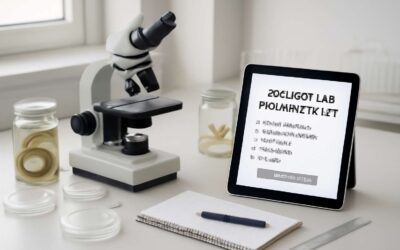
Imaging reveals a world where tiny fins sketch grand arcs across time. The imaging setup—clean illumination, high-sensitivity cameras, and durable objectives—transforms subtle movements into readable stories. Crisp contrast and steady focus turn developmental drama into dependable data. This is core zebrafish lab equipment for South Africa’s vibrant research scene!
- Stereo dissecting scope for live observation of larvae
- Fluorescence-enabled compound microscope for GFP-tagged lines
- Confocal or light-sheet system for optical sectioning of embryos
Microscope options for zebrafish studies balance speed with depth. For routine screening, a brightfield or fluorescence upright/inverted microscope handles tasks with ease. For detail-rich imaging, spinning-disk confocals and laser-scanning systems offer rapid optical sections. Light-sheet platforms capture whole-embryo dynamics with gentle illumination and minimal phototoxicity.
Live Imaging Accessories and Mounting Solutions
“Seeing is quantifying,” a veteran PI likes to say. In zebrafish live imaging, the right setup turns micro-motions into measurable narratives. A clean imaging chain—stable platforms, gentle illumination, and high-sensitivity cameras—transforms subtle fin flicks into dependable data streams. This precision—an essential facet of zebrafish lab equipment for South Africa’s vibrant research scene—lets developmental drama bloom into reproducible measurements!
Imaging and microscopy setup for Zebrafish Live Imaging Accessories and Mounting Solutions prioritizes stabilization, optical access, and humane handling. Consider these mounting elements:
- Imaging-grade agarose cushions in low-melting buffer
- Grooved or microfluidic slides for embryo orientation
- Temperature-controlled stages with anti-vibration isolation
- 3D-printed mounting inserts tailored to chamber geometry
When paired with compatible media, these choices yield repeatable, high-quality frames that reveal embryonic choreography with clarity and confidence.
Camera, Software, and Data Management for Zebrafish Work
Frames hum with quiet intensity as camera, software, and data management lock into a single cadence. In South Africa’s vibrant research landscape, this equipment becomes a compass for motion turned to meaning. The imaging and microscopy setup for camera, software, and data management prizes stability of acquisition, optical access, and humane handling of specimens, translating micro-motions into reproducible narratives that weather the night of long experiments. When the data finally settles, developmental choreography reveals itself with eerie clarity, a testament to disciplined workflow and meticulous record-keeping.
- High-sensitivity cameras (sCMOS or EMCCD) with low read noise
- Automation-friendly software for ROI tracking and batch analysis
- Standardized metadata and file formats (OME-TIFF) for sharing
- Robust data management and regular backups to secure archives
Together, this triad is the heartbeat of zebrafish lab equipment, turning fleeting frames into enduring scientific narratives!
Habitat and Care Equipment for Zebrafish
Tank Systems, Filtration, and Water Quality Monitoring
Stable water, steady readings, solid results! In South Africa’s labs, a 0.5–1°C temperature drift can swing zebrafish behavior and data interpretation. Habitat and care equipment for zebrafish tank systems matter as much as any microscope or dye. Quality zebrafish lab equipment keeps systems calm: predictable light cycles, gentle water flow, and accessible maintenance paths reduce stress and ensure experiments run smoothly.
Key components for reliable habitat, filtration, and water quality include:
- Filtration with mechanical and biological stages for clear, stable water
- Temperature control and aeration suited to zebrafish needs
- Water quality monitoring tools for pH, ammonia, nitrite, nitrate, and conductivity
- Durable materials and easy-access cleaning features aligned with local lab standards
With these elements in place, zebrafish lab equipment supports consistent results without adding unnecessary complexity to the workflow.
Temperature Control and Heaters for Zebrafish Tanks
Across South Africa, a mere 0.5–1°C drift can tilt zebrafish behavior and misread data. In this climate, habitat and care equipment become the quiet power behind zebrafish lab equipment, keeping temperatures steady, tanks calm, and results reliable!
Key temperature tools include:
- Precision heaters paired with reliable thermostats
- Integrated temperature sensors and feedback control
- Gentle aeration that preserves stable conditions
Durable materials and easy-access cleaning features aligned with local lab standards keep zebrafish lab equipment in top form, reducing thermal gradients across shelves and enabling reproducible experiments.
Lighting and Photoperiod Control
“Light governs behavior in zebrafish as surely as currents govern a river,” a seasoned SA lab tech says, and the rhythm of your tanks follows that glow. Lighting and photoperiod control aren’t gimmicks; they’re habitat and care equipment that shape every schooling turn and response.
This is where zebrafish lab equipment becomes more than hardware—it’s a rhythm keeper. Programmable photoperiod controllers, full-spectrum LED panels, and subtle diffusers create dawn and dusk without glare, while built-in blackout options shield sensitive experiments.
- Programmable photoperiod timers
- Full-spectrum LED panels tuned for SA lab rooms
- Soft diffusers and blackout options for calm tanks
Durable housings, easy-clean surfaces, and compatibility with South African electrical standards ensure stability across shelves and shifts. When the lighting is right, larvae settle, and adults perform reliably, turning data into a trustworthy narrative—one where zebrafish lab equipment and careful photoperiods work in harmony.
Algae Management and Water Quality Maintenance
In the world of zebrafish lab equipment, algae management and water quality maintenance define the quiet balance of a thriving microcosm. Clear tanks reduce stress and support natural schooling, while balanced water chemistry keeps growth, metabolism, and behavior predictable under study.
Key allies include:
- Biofiltration media engineered for gentle turnover that preserves calm tank dynamics
- Algae-control substrates and surfaces that curb excess growth without harming inhabitants
- Integrated water-quality sensors monitoring pH, ammonia, and temperature with minimal intrusion
Durable housings and easy-clean finishes, aligned with South African electrical standards, ensure stability across shelves and shifts. When algae stay in check and water stays pristine, the habitat remains a reliable stage for observation and data that tell a true story.
Safety, Compliance, and Maintenance for Zebrafish Facilities
PPE, Sterilization, and Spill Response Protocols
In South Africa’s vibrant labs, safety isn’t a ritual—it’s a living protocol. PPE demands gear that moves with the work: nitrile gloves, snug lab coats, clear eye protection, and splash shields for every gentle lift. This care threads through every experiment.
Compliance flows from training to records, ensuring actions align with best practices in zebrafish lab equipment. Sterilization relies on validated autoclave cycles, timely disinfectant contact, and routine instrument verification. Spill Response Protocols are ready: containment, absorbents, and a clear reporting path.
Maintenance keeps the system singing: periodic cleaning, PPE replenishment, and the quiet watch of worn tool replacement. With steady upkeep, the equipment remains reliable, safe, and primed for the next shimmering insight.
Waste Handling, Biosecurity, and Disposal
A senior lab manager once said, ‘Waste streams tell the truth about safety.’ In South Africa, zebrafish facilities treat waste handling as a living protocol—one that threads through every glass wall and cooler. For zebrafish lab equipment, containment, labeling, and certified disposal are as essential as any reagent.
- Containment and segregation by waste type
- Validated decontamination and autoclave cycles
- Documentation and chain-of-custody for all waste
Compliance flows from training to records, with waste logs, vendor certifications, and regulatory alignment across SA’s biosafety frameworks.
Maintenance keeps the system singing—visual checks for leaks, routine calibration of autoclaves, and scheduled audits of disposal procedures.
Calibration and Preventive Maintenance Scheduling
Calibration isn’t fluff; it’s the hinge between steady science and dependable results. ‘Calibration is care,’ a senior lab manager once said, and it rings true in zebrafish work. For safety and reliability, we treat zebrafish lab equipment as vital gear—calibrated, traceable, and checked before each session! We keep the pace strict and the tests simple so every run stays on track.
- Sensor validation and drift checks
- Timer accuracy for water and temp
- Autoclave cycle verification and logs
Compliance flows from training to records. Service logs, calibration certificates, and supplier audits keep the chain intact and auditable. In South Africa, alignment with biosafety frameworks guides every decision and ensures traceability across the facility.
- Set a single preventive maintenance calendar
- Inspect, calibrate, and document results
- Trigger actions when limits are exceeded
Documentation and Audit Trails for Compliance
Safety is the quiet hinge on every zebrafish lab equipment protocol. A senior manager once said, “Safety is a soft shield formed by precise records,” and we hear it in the hum of the facility. The zebrafish lab equipment is treated as vital gear—calibrated, traceable, checked before each session—to keep data and life steady.
Compliance flows from training to records, and audit trails are the compass. The zebrafish lab equipment suite—tanks, sensors, and control systems—guides every decision and ensures traceability. In South Africa, biosafety frameworks anchor the facility. Service logs, calibration certificates, and supplier audits keep the chain auditable, letting inspectors follow every reagent, every instrument, every result.
Maintenance is the cadence that preserves trust. Set a preventive maintenance calendar, inspect, calibrate, and document results. When limits are exceeded, trigger actions and record outcomes. This rhythm makes zebrafish lab equipment a living archive of care and consistency.


0 Comments