Essentials of lab safety equipment
Personal protective equipment overview
One second of exposure can change a life; proper PPE buys that moment. When safety matters most, Essentials of lab safety equipment becomes a daily discipline rather than a mere precaution.
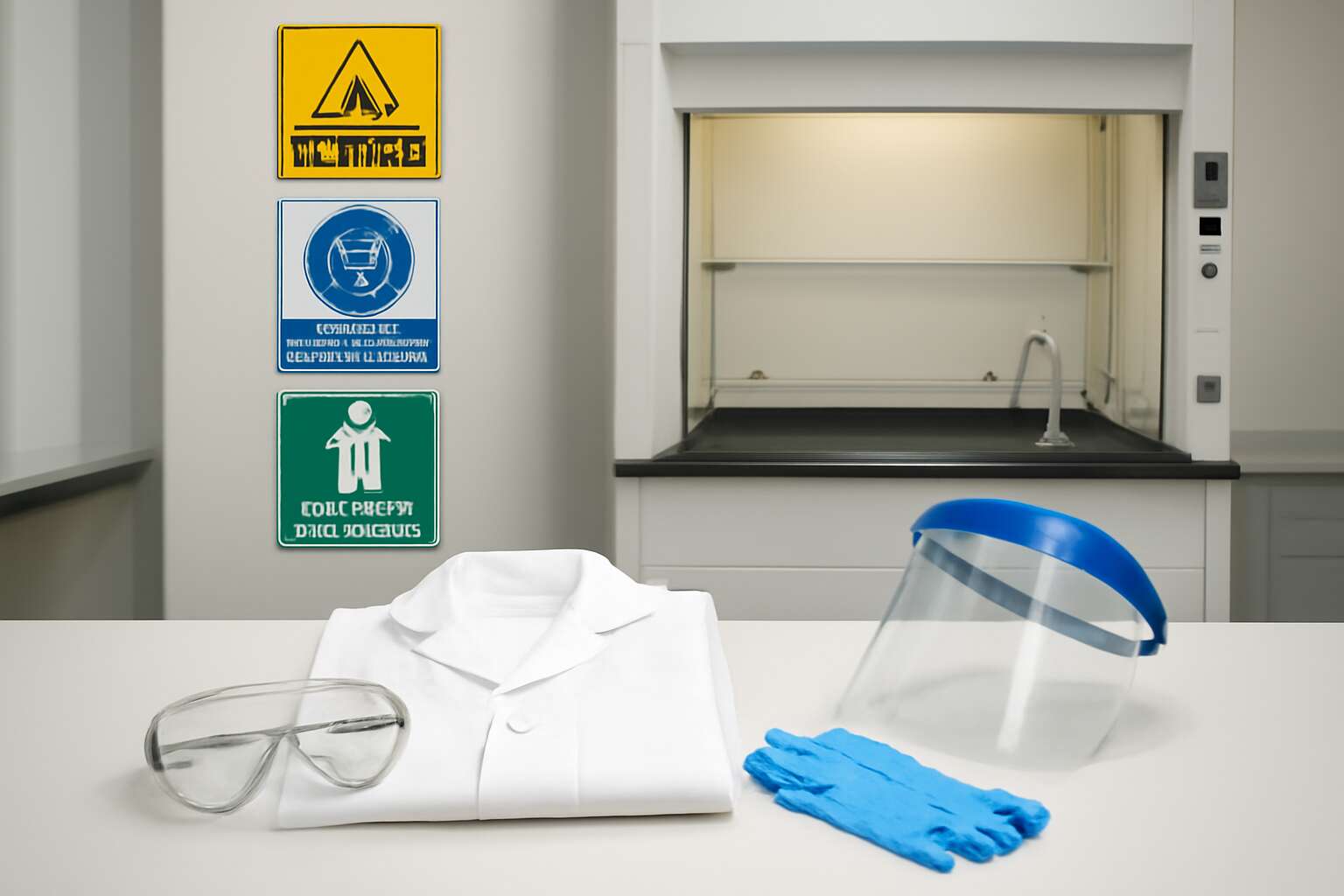
This section answers what are lab safety equipment and how PPE protects teams in South Africa’s labs. The Personal Protective Equipment overview starts with basics that shield skin, eyes, and lungs. A lab coat, gloves, and splash goggles form the first line of defense. A face shield or respirator is added for higher risk, and sturdy non-slip footwear completes the core kit for South Africa’s diverse lab settings.
- Lab coat
- Safety glasses or splash goggles
- Gloves (nitrile or neoprene)
- Face shield or respirator
- Closed, non-slip footwear
Eye and face protection gear
Eye injuries remain the most common lab hazard, and up to 70% of these incidents are preventable with proper protection. In considering what are lab safety equipment, eye and face protection sits at the frontline of safeguarding teams. In South Africa’s diverse labs, a well-chosen shield can mean the difference between a routine procedure and a costly setback.
Eye protection gear spans from safety glasses to splash goggles and full-face shields. For South Africa’s busy workspaces, the right mix balances visibility, comfort and splash resistance.
- Safety glasses or splash goggles with side protection
- Face shields for splash and exposure
- Indirect-vent or anti-fog eyewear to maintain clarity during long tasks
When selecting eyewear, look for standards such as EN 166 or SABS approvals, proper fit, and compatibility with prescription lenses. In SA labs, routine care—cleaning, storage, and timely replacement after impact—keeps vision safe and operations flowing.
Protective clothing and gloves for chemical labs
Protective clothing and gloves are the quiet guardians in any chemical lab. Understanding what are lab safety equipment begins with the fabric and fit that stand up to splashes and vapours, while staying comfortable in warm South African rooms. A well-chosen lab coat or chemical-resistant apron forms a barrier that lets scientists move with confidence.
- Lab coats and jackets made from chemical-resistant cotton blends or treated fabrics for splash protection
- Nitrile, neoprene, or butyl gloves selected for the chemicals commonly handled
- Chemical-resistant aprons or sleeves to seal gaps at the torso and arms
In SA labs, the right fabric and fit keep exploration safe and efficient, merging practicality with a touch of everyday wonder. The right protective clothing becomes a second skin, letting science breathe and procedures flow.
Footwear and head protection in the lab
Footfalls in the lab echo like distant drums, and one misstep can derail a lifetime of data. In the quiet corridors of South Africa’s facilities, what are lab safety equipment but the living armor that keeps us upright—footing firm, minds undistracted by fear of splashes or heat. I have seen a sturdy boot steady a researcher when the floor turns treacherous, and the right protection becomes a quiet prayer for progress!
When you ask what are lab safety equipment, footwear and head protection anchor the ensemble. Consider these core elements:
- Closed-toe, chemical-resistant boots or shoes with non-slip outsoles
- Breathable, heat-tolerant materials suited to warm South African rooms
- Supportive ankle design and optional steel toes for heavy handling
- Hard hats or bump caps where overhead hazards exist
- Hair containment options and snug head coverings to keep hair away from vents and gear
In SA labs, sturdy footwear and protective headgear harmonize practicality with a discreet gothic elegance, letting researchers move with confidence through the lab’s shadowy audacity!
Safe handling of chemicals with PPE
“Safety is a system, not a moment,” a mentor reminds me, and in South Africa’s labs that truth resonates at every bench. What are lab safety equipment but a living pact between curiosity and care, a vow that protection enables progress. I’ve watched researchers move with calm certainty, data untroubled when PPE does its quiet, invisible work.
- Goggles or face shields with chemical-resistant gloves
- Laboratory coats or coveralls with full sleeve coverage
- Respiratory protection when vapours are present
- Hair containment and head coverings to keep vents clear
Beyond the basics, essentials include eye wash stations, emergency showers, spill kits, and reliable ventilation that moves danger away from the workspace. In South Africa, this equipment isn’t decorative; it’s a language spoken by every worker and required by compliance, shaping a culture where curiosity breathes freely while risk remains politely contained.
Engineering controls and safety devices
Fume hoods and laminar flow cabinets
In South African laboratories, engineering controls and safety devices guard workers long before PPE is donned. The question of what are lab safety equipment guides our design, centering on built‑in barriers that intercept hazards—the fume hood and the laminar flow cabinet—before they reach a researcher.
Fume hoods pull vapours away with sash-controlled airflow and can maintain negative pressure, shielding people and the surrounding workspace from exposure.
Laminar flow cabinets provide a stream of clean air over work surfaces for sterile tasks, protecting products from contamination while limiting disruption to other lab activities.
- Fume hood features: sash control, variable airflow, and ducted exhaust
- Laminar flow cabinet features: HEPA/ULPA filtration and unidirectional clean air
Ventilation systems and air monitoring
Across South Africa’s laboratories, where the air itself becomes a line of defense, 68% of exposure incidents trace to gaps in ventilation—reminding that the question of what are lab safety equipment begins long before PPE is donned. Engineering controls and safety devices guard workers by intercepting hazards at the source. The journey through the realm of protection starts with ventilation systems that move vapors away and air monitoring that listens for trouble in the currents.
- Ventilation systems with ducted exhaust and negative pressure to shield nearby spaces
- Air monitoring technologies that sample for VOCs, particulates, and humidity shifts
- Auditable alarms and interlocks that alert staff to deviations and maintain system integrity
These safeguards craft an environment where sterile work and dynamic experiments coexist, a quiet chorus of safety that frames every discovery.
Containment devices for spills and aerosols
Engineering controls are the quiet backbone of a safe lab, intercepting hazards before people interact with them. Containment devices for spills and aerosols keep accidents from spiraling, shielding nearby work and sensitive instruments. Understanding what are lab safety equipment hinges on recognizing these at-source protections—sealed containment enclosures, secondary containment trays, and splash guards that turn a volatile moment into a contained one. They form the first line of defense when the lab hum grows tense.
These devices do more than catch messes; they shape workflow, reduce exposure, and keep experiments on track. Here are practical embodiments that make the idea tangible:
- Spill containment trays and absorbent mats
- Aerosol-tight containment enclosures and splash guards
- Interlocked cabinets and secondary containment systems
Together, they build a self-contained micro-environment where risk stays manageable and discovery proceeds with confidence.
Chemical storage safety cabinets
The lab’s safety fabric is woven by engineering controls, quiet guardians that intercept hazards before touch. They are the first line of defense, turning tense moments into controlled, methodical steps and keeping the hum of discovery steady.
In the pantheon of what are lab safety equipment, chemical storage safety cabinets stand sentinel at the threshold. Crafted with corrosion-resistant steel, sealed doors, and secondary containment trays, they trap spills and corral vapors before they drift toward instruments or hands.
- Sealed, chemical-rated doors with self-closing hinges
- Ventilated models for harsh solvents and corrosives
- Integrated secondary containment to capture leaks
Their thoughtful layout supports workflow, anchoring routines and preserving the integrity of delicate experiments with a quiet, almost ritual grace.
Emergency equipment and response resources
Eyewash stations and safety showers
In fast-paced labs, seconds count when chemical splashes strike. The question what are lab safety equipment is answered by the quiet stalwarts near benches: eyewash stations and safety showers. They provide immediate decontamination and buy precious time before further action is taken, turning potential tragedy into a manageable incident.
These emergency resources should be thoughtfully positioned and clearly marked. When a spill or splash occurs, the right equipment reduces exposure and supports rapid response:
- Eyewash stations with hands-free operation and continuous flow; within reach of splash zones.
- Safety showers capable of full-body decontamination, with extended spray patterns and easy activation.
- Clear signaling, alarms, and accessibility for all staff.
In South Africa, labs align these resources with local guidelines, ensuring compliance and swift emergency readiness! Knowing what are lab safety equipment includes practical components like eyewash and showers.
Fire safety equipment and extinguishers
Emergency equipment and response resources form the quick, quiet backbone when things go off-script in the lab. Fire safety gear and extinguishers stand always ready; alarms sing out clear warnings; and accessible shut-offs keep risk contained. This is part of what are lab safety equipment in practice across South Africa, where compliance and readiness go hand in hand.
Key components include:
- Fire extinguishers (ABC/dry chemical) mounted for fast access
- Fire blankets placed near high-risk workstations and exits
- Emergency alarms and signage that guide people toward safety
- Accessible emergency shut-off valves and power disconnects to halt source energy
Together, these elements help transform a potential tragedy into a contained incident with minimal harm.
First aid kits and spill kits
Across South Africa’s bustling labs, every second counts when danger surfaces. A well-stocked emergency toolbox turns confusion into coordinated action and can curb consequences before they escalate. That’s the heartbeat of what are lab safety equipment in practice.
First aid kits provide the first line of care, stabilising people while help is on the way. In SA facilities, a typical kit holds sterile dressings, bandages, antiseptic wipes, burn sheets, and a CPR barrier mask. Regular monthly checks keep them ready for action. Understanding what are lab safety equipment helps teams align on readiness.
Spill kits trap and contain spills, minimising exposure and environmental impact. They include absorbents, pads, disposal bags, and clear instructions for safe cleanup.
- Sorbent pads and pillows
- Absorbent granules or beads
- Disposal bags and labels
- Responder PPE such as gloves and goggles
Emergency alarms and notification systems
In South Africa’s busiest labs, a blink can separate containment from chaos. A well-tuned emergency setup turns panic into coordinated action and keeps incidents from spiraling.
When you ask what are lab safety equipment, the alarms and notifications are the loudest “we’ve got you” in the room. They deliver fast alerts, guide responders, and help muster on-site teams.
- Audible alarms and sirens
- Visual strobes and signage
- Public address and PA systems
- SMS/email push notifications to responders
- Facility intercoms for on-site coordination
That readiness translates into real-world calm when the whistle blows.
Laboratory safety protocols and equipment management
Equipment labeling and signage
Lab safety protocols hinge on more than the obvious safety tools; they hinge on disciplined equipment management and precise labeling that speaks without words. In South Africa’s labs, every shelf and cabinet whispers a protocol, and clear signage guides the hand before the mind acts!
- Equipment labeling with color codes, serial numbers, and last-inspected dates
- Visible warnings near any containment device and storage area
- Digital tagging that links to maintenance records and safety data sheets
When considering what are lab safety equipment, signage and labeling create the second sight—anticipating risk and steering behavior toward prudence. A well-ordered lab reduces confusion, speeds response in emergencies, and preserves a culture of care that honors both science and people.
Calibration and maintenance tools
In South Africa’s labs, every gauge whispers a truth about trust and timing. A recent industry snapshot hints that up to a third of near-misses trace back to drift and miscalibration. Laboratory safety protocols hinge on more than sturdy tools; they hinge on calibrated, well-maintained instruments that refuse to lie! Understanding what are lab safety equipment begins with calibration and maintenance tools that keep each reading honest and each decision grounded.
Calibration and maintenance tools form the backbone of equipment management, turning fragile certainty into dependable data. Regular checks, traceable records, and clearly scheduled service intervals transform chaos into a predictable rhythm.
- calibration weights and reference standards
- digital calibration certificates and traceability logs
- thermometers and thermocouples calibration kits
- dimensional metrology tools such as micrometers and calipers
- pressure gauges and leak-test kits
These tools underpin safe, compliant operations across South African laboratories, ensuring personnel can act with confidence when the readings drift.
Safe storage and hazard segregation
‘Safety is a protocol, not a feature,’ a veteran safety officer likes to say. In South Africa’s labs, safe storage and hazard segregation are the quiet guardians that keep potential disasters off the radar and out of headlines. Understanding what are lab safety equipment sharpens that focus.
- Incompatible materials stored separately
- Clear labeling and date tracking
- Restricted access and spill containment readiness
These measures—paired with routine audits and ongoing staff training—keep the system robust and compliant.
Incident reporting and documentation
A clean incident report is as essential as PPE. In South Africa’s labs, incident reporting and documentation create an auditable trail that protects staff and institutions. So, what are lab safety equipment? The answer isn’t a gadget; it’s a disciplined flow: report, record, review, and act. This routine keeps near-misses visible and lessons repeatable!
The framework includes these elements:
- Incident log with time, place, substances involved, and people present.
- Immediate notification to supervisor and safety officer.
- Evidence preservation and scene security.
- Root cause and contributing factors documentation.
- Corrective action assignments and tracking.
- Team debrief to capture lessons and prevent recurrence.
Choosing and purchasing lab safety equipment
Assessing hazards and process compatibility
More than 40% of lab incidents hinge on equipment choice, a statistic that would make risk officers shudder. So, what are lab safety equipment—the tools that stand between curiosity and catastrophe. Selecting equipment starts with a clear view of hazards and the processes that churn daily.
Choosing well means balancing upfront cost with long-term reliability, service networks, and SA-friendly certifications. Think compatibility with chemicals, temperatures, and throughput; consider modular options that grow with the lab, and map maintenance to keep downtime brief.
- Hazard alignment: identify risks and confirm material compatibility
- Process fit: match specs to typical volumes and rhythms
- Support and compliance: verify service, warranties, and regulatory alignment
Assessing hazards and process compatibility helps ensure the equipment slots neatly into the lab’s routine, rather than becoming a stubborn obstacle. The result: safer operations, smoother audits, and a procurement story that avoids coffee-fueled panics.
Budgeting for PPE and safety devices
In the shadowed corridors of the lab, risk and curiosity duel, and the first victor is what are lab safety equipment that stands between them. Across South Africa, budgeting for PPE and safety devices becomes a creed: you pay now or pay later in downtime and audits.
Choosing gear means balancing upfront cost with long-term reliability, service networks, and SA-friendly certifications. I map the lab’s cadence—throughput, shift patterns, and maintenance windows—into the numbers, ensuring every purchase supports smooth operation rather than a reluctant halt.
Key budgeting pillars:
- Upfront costs versus lifecycle value
- Service contracts and warranties
- Certification and regulatory alignment
- Storage, training, and disposal needs
In practice, this budget reads like a map: it guides procurement away from reactionary purchases toward steady, compliant equipment that survives the lab’s relentless tempo.
Quality standards and certifications
This begins with the question: what are lab safety equipment. In South Africa, safety gear choice is a balance of risk, reliability, and local standards. Look for SABS certification and alignment with SANS standards; where applicable, CE marks signal global compatibility, too.
Quality labels matter because they reveal lifecycle resilience and service reach. Vendors with ISO 9001 quality management and traceability keep pace with SA’s shifts and audits. The right equipment carries its value across shifts, maintenance windows, and compliance checks.
- SABS certification
- ISO 9001
- CE marking
Vendor selection and inventory management
Framing the question what are lab safety equipment reveals that safety begins before the first glove. In South Africa, procurement missteps ripple through audits, turning budgets into risk. Vendors who understand risk speak SABS certification, SANS standards, and CE marks in one breath!
Choosing suppliers is more than price; it is trust, traceability, and dependable aftercare. Seek ISO 9001 quality management and documented calibration histories.
- Certification credibility (SABS/SANS/ISO 9001)
- Local support and spare parts availability
- Clear warranty terms and repair timelines
- Transparent procurement records and traceability
Inventory management becomes a discipline: balance consumption with shelf life, align stock to maintenance windows, and run regular audits that reveal gaps before they widen.
The right equipment travels across shifts and audits, preserving readiness and the courage to challenge complacency.
Lifecycle planning with maintenance and replacements
Choosing and purchasing lab safety equipment in South Africa isn’t a one-off handshake; it’s a long-term commitment that pays dividends in uptime and audit readiness. The question what are lab safety equipment isn’t a rhetorical flourish; it’s the lens through which durability, service, and readiness are judged. The lifecycle starts long before the order: compatibility with local power, service networks, and the realities of site visits across townships and towns alike.
Lifecycle planning with maintenance and replacements requires treating gear as a capital asset, with planned service intervals, locally available spare parts, and clear upgrade paths. In South Africa, that translates to predictable budgeting, dependable field support, and a smooth pathway for replacements that minimizes downtime. Readiness becomes a culture, not a checkbox; when gear ages, the transition is already on the horizon, not delayed by red tape or stockouts.


0 Comments