Common Types of Laboratory Glassware
Beakers – Overview, Uses, and Types of Beakers
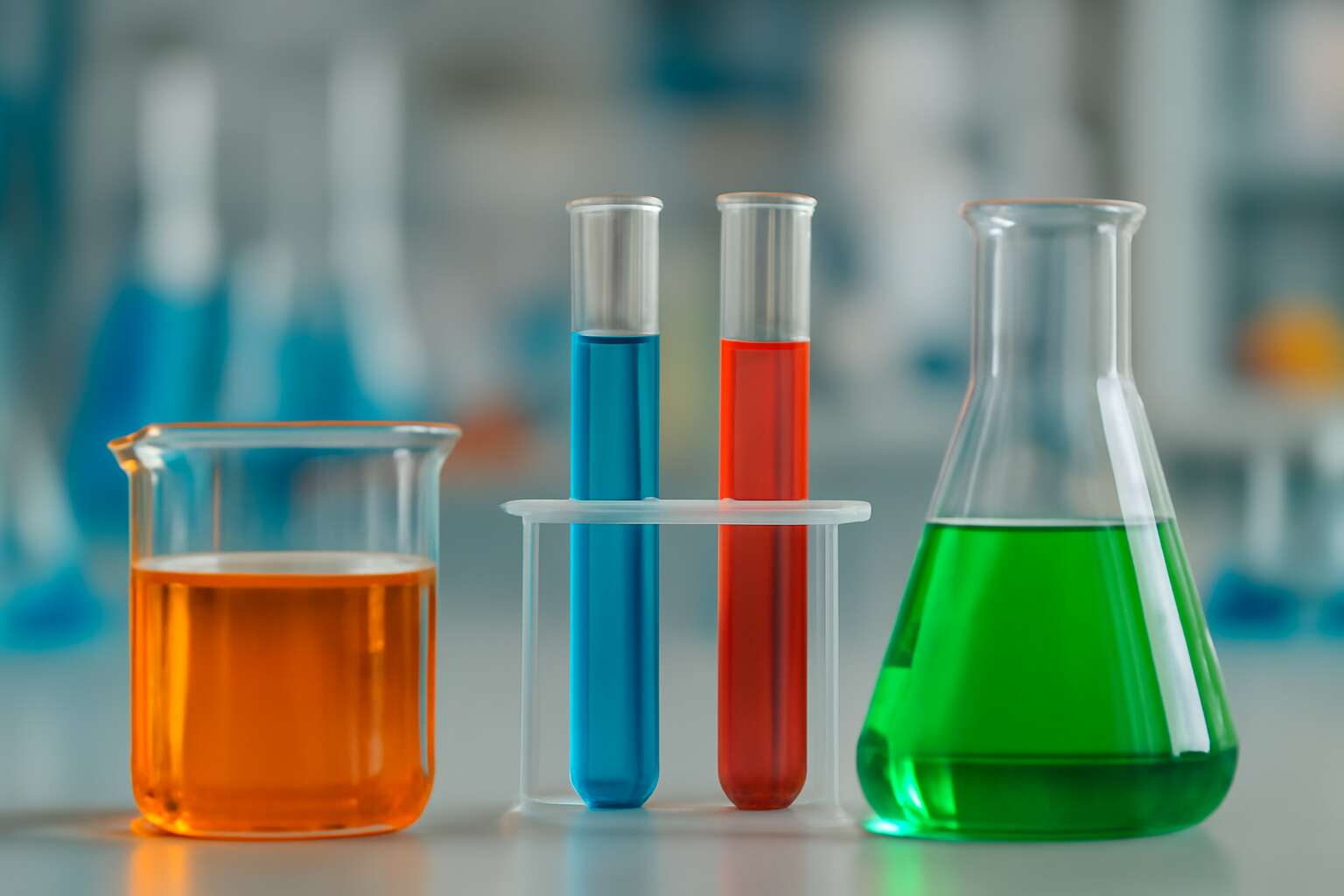
Laboratory glassware has been the backbone of scientific progress, especially in South Africa’s vibrant research and healthcare sectors. Among these, beakers stand out as versatile and essential pieces of lab equipment glassware names that are familiar to many scientists and students alike. Their simplicity belies their importance—used for mixing, heating, and measuring liquids, beakers are reliable workhorses in any lab setting.
Various types of beakers are designed to meet specific needs, each promising precision and durability. For example, the standard beaker with a spout is perfect for general laboratory tasks, while the Griffin beaker is celebrated for its sturdiness and ease of handling. Some labs prefer low-form beakers for easier stirring, while others rely on tall, narrow beakers for more specific applications. The choice often depends on the volume of liquid and the nature of experiments being conducted.
Flasks – Erlenmeyer Flasks, Volumetric Flasks, and Their Applications
Among the myriad lab equipment glassware names, flasks evoke an image both delicate and vital—these are the vessels where chemistry’s poetry unfolds. Erlenmeyer flasks, with their conical shape and narrow neck, are the quintessential stalwarts in every laboratory, facilitating gentle swirling and minimizing spill risks during titrations. Their design combines precision with practicality, making them indispensable for controlled chemical reactions and sample storage.
Complementing them are volumetric flasks, crafted with meticulous accuracy to measure and prepare liquids to exact volumes. Their slender necks and flat bottoms make them ideal for creating standard solutions, ensuring consistency and reliability in research and industrial testing. Here is a quick overview of some essential lab equipment glassware names and their applications:
- Erlenmeyer Flasks: Best suited for mixing, boiling, and titrations, especially when air venting is necessary.
- Volumetric Flasks: Perfect for preparing precise, standardized solutions in analytical chemistry.
In South Africa’s dynamic research environment, these glassware types symbolize the marriage of durability and finesse—working silently behind groundbreaking discoveries. Whether in university laboratories or high-tech industries, the nuanced design of lab equipment glassware names continues to elevate scientific endeavors with elegance and unwavering precision.
Pipettes and Bippettes – Graduated Pipettes, Transfer Pipettes, and Pipette Bulbs
Within the intricate universe of lab equipment glassware names, few tools evoke the delicate balance between artistry and precision quite like pipettes and bippettes. These slender instruments are the heartbeat of meticulous experimental procedures, guiding minute quantities of liquids with unwavering accuracy. In South Africa’s flourishing scientific landscape, these glassware essentials are more than mere tools—they are gateways to discovery.
Graduated pipettes, with their finely etched measurement marks, exemplify the pursuit of exactness. They allow scientists to draw and dispense precise volumes, making them indispensable when quantitative analysis reigns supreme. Transfer pipettes, often made of glass or plastic, are the unsung heroes of sample transfer—their simplicity masking their vital role in preventing contamination and ensuring experimental integrity.
Meanwhile, pipette bulbs serve as the lifeblood that powers these instruments, facilitating gentle suction and smooth liquid handling. When combined, these elements form a symphony of precision, embodying the elegance of lab equipment glassware names that underpin every successful experiment. The beauty of these tools lies in their subtle durability—silent witnesses to countless breakthrough moments that shape our understanding of the world.
Test Tubes – Different Shapes and Sizes, Material Options, Usage Tips
Within the realm of laboratory exploration, test tubes hold a subtle yet vital presence. Their simple elegance masks a universe of possibilities, each shape and size tailored for specific scientific pursuits. From slender, elongated tubes designed for delicate reactions to robust, conical variants that withstand vigorous mixing, the diversity of lab equipment glassware names reflects their multifaceted roles. In South Africa’s thriving research hubs, understanding the nuances of test tube types is paramount for precision and discovery.
Material options further elevate the significance of these seemingly modest tools. Borosilicate glass, renowned for its thermal resilience and chemical inertness, remains a popular choice—ideal for experiments involving heating or corrosive substances. Quartz tubes, with their extraordinary thermal properties, cater to specialized procedures. When selecting a test tube, consider not only its shape and capacity but also the optimal material for your specific application.
Usage tips can transform the mundane into the exceptional. For instance, selecting the correct size ensures accuracy, while proper handling preserves the integrity of the sample. An understanding of lab equipment glassware names—particularly those associated with test tubes—can enhance laboratory efficiency and elevate experimental outcomes. After all, precision hinges on the tools we choose, and each element contributes to the symphony of scientific progress.
Graduated Cylinders – Precision Measurement, Material Choices, Best Practices
Within the shadowed corridors of scientific inquiry, precision measurement is the silent sentinel guarding the secrets of the universe. Graduated cylinders stand as the sentinels of this realm—tall, slender vessels designed for the meticulous art of volume determination. Their glassware names echo through laboratories, whispering promises of accuracy and reliability. Crafted from borosilicate glass, these cylinders are resilient against thermal shock, an essential trait when dealing with volatile reactions or heated samples in South Africa’s research sanctuaries.
Understanding the nuances of lab equipment glassware names—particularly those associated with graduated cylinders—fosters an unerring precision vital for scientific discovery. The best practice involves selecting the appropriate size for your specific task, ensuring clarity, and handling with care to avoid measurement errors. This seemingly humble glassware, with its monochrome measurements etched along satiny glass, embodies the meticulous spirit of the lab. In a world where every drop counts, grasping the intricacies of these vessels becomes an act of quiet rebellion against chaos and ambiguity.
Specialized Laboratory Glassware
Burettes – Functionality, Types, and Calibration
When it comes to the unsung heroes of precise scientific measurement, specialized laboratory glassware like burettes often steal the show—at least from a functionality perspective. These slender, elegant tubes are vital for titration, allowing scientists to dispense controlled amounts of liquids with near-miraculous accuracy. The pivotal role of burettes in ensuring experimental precision cannot be overstated, particularly in analytical chemistry where every drop counts.
There are various types of burettes to match the specific demands of the lab, each with their own quirks and calibration quirks. Some are stopcock-equipped for seamless liquid control, while others feature digital readability for tech-savvy chemists. Calibration is essential—not just a bureaucratic hoop—because a miscalibrated burette can turn an otherwise impeccable experiment into a chaotic soap opera of errors. Proper calibration involves standardizing against known solutions, ensuring that measurements remain trustworthy over multiple uses. Knowing your lab equipment glassware names, including burettes, ensures your lab stays at the forefront of scientific excellence—and avoids embarrassing slip-ups that could make even the most seasoned scientist blush.
Condensers – Types of Condensers, Usage in Distillation, Materials
Among the myriad components of a well-equipped laboratory, specialized laboratory glassware condensers often fly under the radar—yet they are indispensable for precise distillation processes. These glassware essentials are designed to efficiently condense vapors back into liquids, acting as the backbone of many chemical separations. Interestingly, the choice of condenser type can significantly impact the efficiency of a distillation setup.
There are several types of condensers, each tailored to specific experimental demands. The most common include Liebig, Graham, Allihn, and Graham condensers, each with unique features. Liebig condensers are straightforward, featuring a single cooling jacket, while Allihn condensers have multiple Bulb-like expansions that enhance cooling surface area. Depending on the nature of the substance being distilled, simple or reflux condensers may be employed to optimize recovery and purity.
The materials used for lab equipment glassware names, like borosilicate glass, are selected for durability and thermal resistance, making them ideal for repeated use in distillation and other high-temperature applications. Proper selection of condenser type and material can elevate the quality of laboratory work, reaffirming the importance of understanding lab equipment glassware names and their specific functions.
Desiccators – Design, Materials, and Storage Applications
Among the countless pieces of lab equipment, specialized laboratory glassware like desiccators often go unnoticed—yet they are critical for maintaining the integrity of sensitive samples and chemicals. These glass enclosures are designed to create a dry, contaminant-free environment, ensuring that moisture and airborne impurities don’t compromise experiments. Their airtight design, often featuring a durable lid, makes them indispensable in storage applications where purity is paramount.
The materials most commonly used in lab equipment glassware names such as desiccators include borosilicate glass, known for its thermal resistance and durability. This choice ensures longevity even under repeated use and exposure to drying agents like silica gel or calcium chloride. The versatility of desiccators allows them to be employed in various settings—from storing hygroscopic chemicals to delicate biological specimens—highlighting their importance in a well-rounded laboratory setup.
Understanding lab equipment glassware names like desiccators empowers researchers to optimize storage conditions and uphold sample integrity. Whether in a research lab or industrial setting, selecting the right design and material ensures reliable results and seamless workflow. These unassuming glassware pieces are truly the unsung heroes behind every successful experiment!
Reflux Containers – Features, Uses, and Types
In the realm of scientific excellence, the subtle yet formidable presence of specialized laboratory glassware such as reflux containers is a cornerstone of experimental mastery. These elegant vessels are designed to withstand the rigors of continuous heating, making them indispensable in processes like refluxing, where chemical reactions are sustained over extended periods. Their robust construction and precise design ensure that reactions proceed smoothly without the loss of volatile components, safeguarding both safety and accuracy.
Reflux containers come in an array of types tailored to diverse research needs. From traditional round-bottom flasks to sophisticated jacketed designs, each serves a unique purpose in complex synthesis setups. Known for their flame-resistant materials and thermal stability, these glassware pieces often feature attached condensers that maximize efficiency by recycling vapors back into the system. Such features make them integral to advanced laboratory setups, especially in organic and analytical chemistry environments searching for consistency and efficiency.
Understanding lab equipment glassware names like reflux containers enriches a researcher’s toolkit, allowing for precise selections that elevate experimental outcomes. When paired with other essential tools—like condensers and adapters—they form an unbreakable chain of reliability. Whether in a cutting-edge South African lab or an industrial R&D corridor, these vessels exemplify the silent resilience that propels scientific progress forward. The magic lies not just in their chemical function but in their silent promise of accuracy and durability in every groundbreaking experiment.
Separatory Funnels – Design Variants, Material, and Usage Guidelines
Within the universe of lab equipment glassware names, the sejourn into specialized apparatus reveals a landscape of precision and artistry. Among these, the separatory funnel stands out—a vital instrument in extracting and separating compounds with meticulous control. These funnels come in varied design variants, each tailored to specific organic and analytical chemistry applications. From standard conical shapes to the more sophisticated pear-shaped options, their form dictates functionality and efficiency.
The materials used in manufacturing separatory funnels are equally varied. Borosilicate glass remains the gold standard, prized for its thermal stability and chemical resistance. For corrosive or aggressive solvents, polycarbonate variants also serve as durable substitutes, though they lack the transparency and heat resistance of glass. The integration of a stopcock at the base ensures controlled release, and precise calibration marks enable researchers to measure and manipulate liquids with confidence, avoiding accidental loss of valuable samples.
The usage guidelines for separatory funnels emphasize gentle shaking, venting to prevent pressure buildup, and proper sealing. These steps are essential in avoiding mishaps, especially when handling volatile or reactive substances. When used correctly, they transform complex separation procedures into seamless operations, reinforcing the silent resilience of lab equipment glassware names in underpinning scientific discoveries. Such a vessel isn’t just a tool—it’s a silent sentinel of safety and precision in every extraction process.
Materials Used in Laboratory Glassware
Borosilicate Glass – Properties, Advantages, Common Uses
At the heart of every precise laboratory experiment lies a fundamental truth: the choice of materials used in lab equipment glassware names can make or break the integrity of results. Borosilicate glass stands out as the material par excellence due to its remarkable combination of durability and chemical resistance. Its unique properties, such as low thermal expansion and high transmissivity, make it indispensable for scrutinizing reactions under varying heat conditions, from boiling point to cryogenic storage.
One of the main advantages of borosilicate glass is its resilience against thermal shock. This means it can withstand sudden temperature changes without cracking—a vital trait for lab equipment glassware names like beakers, flasks, and test tubes. Such robustness extends the lifespan of the glassware, reducing costs and ensuring consistent performance. Its exceptional transparency also makes it optimal for visual inspection during reactions, enabling researchers to observe subtle changes without obstruction.
In South African laboratories, borosilicate glassware is preferred for a variety of critical applications, including distillation, titrations, and sample storage. Types of laboratory glassware made from this material include volumetric flasks, condensers, and separatory funnels—each designed to maximize precision and safety. The widespread adoption of borosilicate glass in lab equipment glassware names underscores its vital role in advancing scientific discovery with reliability and excellence.
Quartz Glass – High Heat Resistance, Chemical Compatibility
Quartz glass is a marvel in the realm of laboratory instrumentation, renowned for its exceptional high heat resistance and unparalleled chemical compatibility. This type of lab equipment glassware names—such as quartz crucibles, tubes, and reactors—are vital in experiments demanding extreme conditions. Unlike ordinary glass, quartz can withstand intense temperatures often exceeding 1000°C without losing integrity, making it a trusted companion in high-temperature processes. Its resistance to most acids, alkalis, and organic compounds ensures that chemical reactions progress safely and without contamination.
The unique optical clarity of quartz glass also plays a critical role in spectroscopic applications, where precise transmission of ultraviolet and infrared light is essential. For laboratories aiming for ultimate durability, quartz stands out as a superior choice. Its robustness opens doors to innovative experiments that push the boundaries of science—an essential asset in advanced research facilities that require both precision and resilience. As the backbone of many high-end laboratory setups, quartz glassware elevates the standard for what lab equipment glassware names can achieve in demanding scientific landscapes.
Kimax and Other Brand Labels – Durability, Specific Features
Laboratory glassware is often regarded as the silent hero behind groundbreaking discoveries, but few realize the diversity of materials that make it all possible. Among these, Kimax stands out as a trusted name, renowned for its durability and precision. Known for its thermal shock resistance, Kimax glassware maintains integrity under rapid temperature fluctuations, making it ideal for high-demand experiments. However, it’s not alone in offering dependable lab equipment glassware names—borosilicate glass, quartz, and high-quality soda lime variants also carve their niche in the complex world of scientific research.
These materials are carefully selected based on the specific needs of the experiment. For instance, borosilicate glass’s low thermal expansion ensures safety during heating and cooling cycles, while quartz glass’s exquisite chemical resistance shields against corrosive substances. The nuanced differences in materials directly influence the durability and functionality of lab equipment glassware names. When choosing the right vessel, understanding these material properties can mean the difference between a flawless experiment and costly contamination or failure.
- Kimax brand labels are celebrated for their high chemical durability and excellent thermal stability, catering to the rigorous demands of modern laboratories.
- Other renowned brands, such as Pyrex and Duranglas, also offer glassware engineered with specific features—be it chemical resistance or optical clarity.
In the shadowy corridors of advanced research facilities, where high heat resistance and chemical compatibility reign supreme, the ideal lab equipment glassware names transcend mere labels—they become essential tools for success. This is where the choice of material and brand aligns with the science’s very soul, shaping the future of innovation with each precise measurement and experiment.
Plastic Alternatives – Description, When to Use, Limitations in Lab Settings
While glass remains the gold standard for most lab equipment, plastics are increasingly filling the gaps where durability and cost-effectiveness matter. Materials such as polycarbonate, polyethylene, and polypropylene are popular plastic alternatives that offer lightweight, shatterproof options for everyday use. These plastics are particularly useful for disposable items like pipette tips or sample containers, effectively reducing breakage risks in busy lab environments. However, it’s essential to understand their limitations—plastic lab equipment often cannot withstand high temperatures or strong chemical interactions, which are common in many experimental protocols.
When choosing lab equipment glassware names or plastic alternatives, it’s crucial to consider the nature of your experiments. Plastics are ideal when safety and convenience take precedence, but for high-heat applications and chemical resistance, glass remains unmatched. Specifically, borosilicate glass excels in thermal stability and chemical durability, making it the backbone of most laboratory glassware. Yet, in settings where chemical reactions involve aggressive solvents or high thermal stress, materials like quartz or specialized plastics should be prioritized.
Maintenance and Safety of Lab Glassware
Cleaning Methods – Proper Cleaning Techniques, Solutions, and Drying
In the intricate dance of scientific discovery, the safety and longevity of lab equipment glassware names are paramount. With the proper cleaning techniques, each piece of glassware transforms from a vessel of potential into an bastion of integrity. Gentle yet precise solutions become the artisans’ tools—detergents formulated specifically for laboratory glassware, gently erasing residues without corroding the delicate surfaces. Luxurious in their clarity and resilience, borosilicate glass containers withstand the rigors of chemical assault, but even they require meticulous attention.
Drying, often overlooked, is a critical chapter in lab glassware maintenance. Air drying in a dust-free environment preserves the transparency and prevents streaks that can obscure measurements. In some cases, employing lint-free wipes or specialized drying racks ensures the glassware remains pristine. The overarching goal is to uphold safety standards while prolonging the lifespan of your invaluable lab equipment glassware names—where cleanliness is not just aesthetic, but essential for yielding reliable scientific results.
Handling Tips – Preventing Breakage, Safe Handling Practices
In the labyrinth of scientific endeavors, even the most meticulous researcher risks a shattered glassware name—sometimes in slow motion, sometimes in a dramatic, spectacular explosion. Handling lab equipment glassware names such as beakers, flasks, and test tubes demands more than just a cursory glance; it’s an art form that combines vigilance, technique, and a dash of the stuff that keeps labs ticking—respect for the fragile. Breakage prevention isn’t just about avoiding costly replacements; it’s about safeguarding both humans and the integrity of your experiments.
Mastering safe handling practices involves a blend of proper grip, attentive movement, and understanding the unique vulnerabilities of each piece—especially borosilicate glass containers, which, despite their resilience, can still succumb to accidents. Remember, an ounce of caution is worth a kilogram of lab equipment glassware names chat. To that end, always use both hands when transferring beakers or flasks—think of it as giving your glassware a reassuring hug—and never rush the process.
For optimal safety, keep your workspace organized and free of clutter—no one wants a runaway test tube or a wayward burette. These items often come with specific handling tips, which, if ignored, can spell disaster.
- Ensure your glassware is secure on sturdy, non-slip surfaces.
- Use appropriate tools like tongs or holders for hot or awkwardly shaped items.
- Inspect glassware thoroughly for microcracks or defects before use – a small flaw can escalate into a catastrophic failure.
Proper storage is equally vital, with desiccators and custom racks reducing the risk of accidental topples. By respecting the nuances of each lab equipment glassware name, you’re ensuring your scientific pursuits remain shatter-free and productive!
Storage Solutions – Custom Storage Racks, Protective Cases
Proper maintenance and strategic storage are the backbone of any well-functioning laboratory, especially when it comes to lab equipment glassware names. These fragile vessels—beakers, flasks, test tubes, and graduated cylinders—demand more than just routine handling; they require thoughtful care to ensure longevity and safety. Custom storage racks, tailored to accommodate each unique glassware shape, provide an organized refuge, minimizing the risk of accidental breakage. Imagine a sturdy, foam-lined rack that cradles each item with gentle firmness, protecting against the tremors of daily lab life.
Protective cases further enhance safety when transporting sensitive glassware or storing them overnight. These cases act as a safeguard, shielding against unforeseen impacts that can turn a vibrant experiment into a shattered mess. Regular inspection and cleaning of storage solutions keep debris and micro cracks at bay—small flaws that can spell disaster when pressure is applied. Remember, in the delicate world of lab equipment glassware names, a well-ventilated, clutter-free environment isn’t just tidy; it’s vital to prevent accidents and prolong the life of your valuable glass vessels.
- Invest in custom storage racks designed specifically for each type of lab equipment glassware name—beakers, flasks, and test tubes flourish in tailored compartments.
- Use protective cases for safe transport and secure storage, especially for high-value or delicate items.
- Implement routine cleaning and inspection protocols to detect micro cracks and other damage early, ensuring continued safety and performance.
Ensuring that every piece of laboratory glassware is stored correctly and maintained meticulously not only preserves their integrity but also creates a safer, more efficient environment. Every detail counts in the pursuit of scientific excellence—so never underestimate the power of thoughtful storage solutions and careful maintenance in the realm of lab equipment glassware names.
Common Damage Signs – Cracks, Chips, and When to Replace
In the shadowed corridors of scientific pursuit, the delicate dance of preservation and safety unfolds every day. Lab equipment glassware names such as beakers, flasks, and test tubes, form the fragile backbone of meticulous experimentation. Yet, beneath their apparent transparency lurks the silent threat of insidious damage—cracks whisper of impending catastrophe, chips threaten the integrity of even the most resilient vessel. Here, vigilance becomes your most potent shield.
Many overlook the subtle signs of deterioration until catastrophe strikes. Cracks may appear as fine, spider-web veins across the glass surface, often invisible to the untrained eye until under stress. Chips, on the other hand, manifest as jagged imperfections, typically around the rim or base, ready to cause splinters to shard into the very fabric of your experiment. Recognizing these subtle signs early is vital. As the wise say in the laboratory’s darkened corners: “A crack unseen is a disaster foreseen.”
- Inspect each piece after use—look for micro cracks that can escape casual observation.
- Handle fragile vessels with care—improper handling can transform tiny flaws into catastrophic failures.
- Replace damaged glassware promptly; don’t wait for it to shatter when least expected.
Remember, in the realm of laboratory glassware, safety and longevity are bound by vigilance. When cracks deepen or chips enlarge, it’s time to bid farewell to the vessel—no experiment is worth risking a rupture. Proper maintenance and early recognition of damage not only preserve the integrity of your laboratory but cast a protective spell over your scientific endeavors. After all, in the dark shadow of the laboratory, even the tiniest flaw can be the harbinger of chaos.
Regulatory and Safety Standards – Standards Compliance, Labeling Requirements
In the realm of scientific pursuit, safety is paramount. Proper maintenance and adherence to regulatory standards protect both researchers and their invaluable data. A critical aspect of this discipline involves understanding lab equipment glassware names and ensuring they meet stringent compliance protocols. Regulatory and safety standards are not mere formalities but the backbone of operational integrity in laboratories across South Africa. They safeguard against accidents and guarantee precise results, making their observance essential.
Most laboratories follow strict labeling requirements, which include clear identification of the glassware type, orientation markers, and chemical compatibility indications. Proper labeling facilitates easy inspection and prevents misuse, especially when handling delicate items like volumetric flasks or burettes.
- Accurate Identification
- Chemical Compatibility
- Inspection Dates
Compliance with standards such as ISO 3832 for glassware and local safety regulations ensures that every piece of lab equipment glassware functions optimally without risk. As safety oversight becomes more rigorous globally, so does the importance of meticulous maintenance and displaying certifications or labels that reflect robust quality assurance.
In a landscape where the precision of measurements and the integrity of experiments depend on these seemingly simple vessels, vigilance transforms into a shield—preserving the sanctity of scientific inquiry while upholding safety standards. When labels become illegible or damage appears, prompt replacement not only aligns with safety protocols but also maintains the laboratory’s reputation. The fusion of regulation adherence and conscientious care transforms functional glassware into silent sentinels guarding the pursuit of knowledge.


0 Comments